
Peperomia quadrangularis x puteolata
Peperomia quadrangularis x Peperomia puteolata
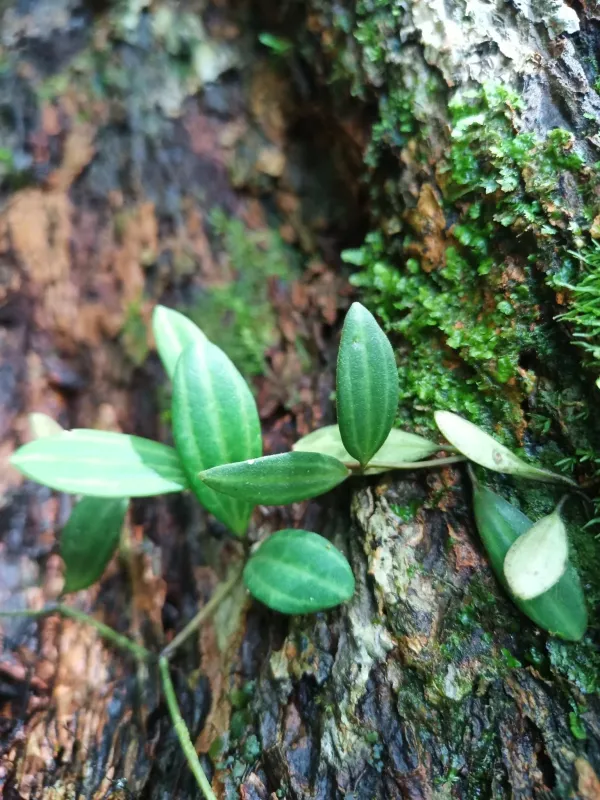
Description
Growing requirements
Peperomia quadrangularis x puteolata is an ornamental hybrid belonging to the Piperaceae family. Originating from the tropical zones of the Americas, these plants are well-adapted to indoor environments, prized for their unique foliage patterns and structural stems that create a distinct visual appeal.
The culture thrives in bright, indirect light. Direct sunlight can cause leaf scorching and loss of pattern definition, while insufficient light leads to etiolation and weak stem structure. Placing the plant in a spot with moderate ambient light is the best strategy for healthy development.
Proper soil management is critical for this species. It requires a well-draining, aerated substrate, such as a blend of peat moss, perlite, and pine bark. This mixture mimics the natural epiphyte growing conditions and prevents water stagnation, which is the primary cause of root failure.
Temperature requirements are moderate, typically ranging from 20°C to 25°C. The plant should be protected from cold drafts and sudden thermal fluctuations, which can trigger physiological stress and leaf drop. During the winter, maintaining a steady temperature is crucial for dormant periods.
Watering practices must be disciplined. Always allow the top few centimeters of the potting medium to dry out before re-watering. Using containers with adequate drainage holes is essential to ensure that excess water can escape, preventing the development of anaerobic conditions around the roots.
Main diseases and pests
Pests like mealybugs and spider mites are the most common adversaries for this plant. These insects thrive in dry indoor conditions and can quickly colonize the undersides of leaves and leaf axils, requiring immediate intervention with insecticidal soaps or horticultural oils.
Fungal pathogens such as root rot (Phytophthora) and stem rot are the major threats resulting from improper irrigation. Over-watering creates an environment where these pathogens can proliferate, leading to rapid decay of the vascular tissues in the stems.
To maintain plant health, it is essential to practice sanitation: remove any necrotic tissue immediately and sterilize pruning tools after use. Regularly inspecting the plant for early signs of infestation or rot allows for timely corrective action.
For chemical control, systemic fungicides or acaricides may be applied if cultural methods are insufficient. Always ensure proper ventilation around the plant to discourage mold growth and improve the efficiency of treatments against microscopic pests.
Creating a consistent care routine that prioritizes light, airflow, and soil drainage effectively minimizes the likelihood of most disease and pest issues. Proper stewardship of the environment is the best long-term strategy for cultivation.