
Peperomia quadrangularis
Peperomia quadrangularis (J. V. Thomps.) A. Dietr.
Description
Growing requirements
Peperomia quadrangularis is a tropical perennial plant belonging to the Piperaceae family. It is native to the rainforests of South and Central America, where it typically grows as an epiphyte, colonizing tree trunks or rock crevices in shaded environments.
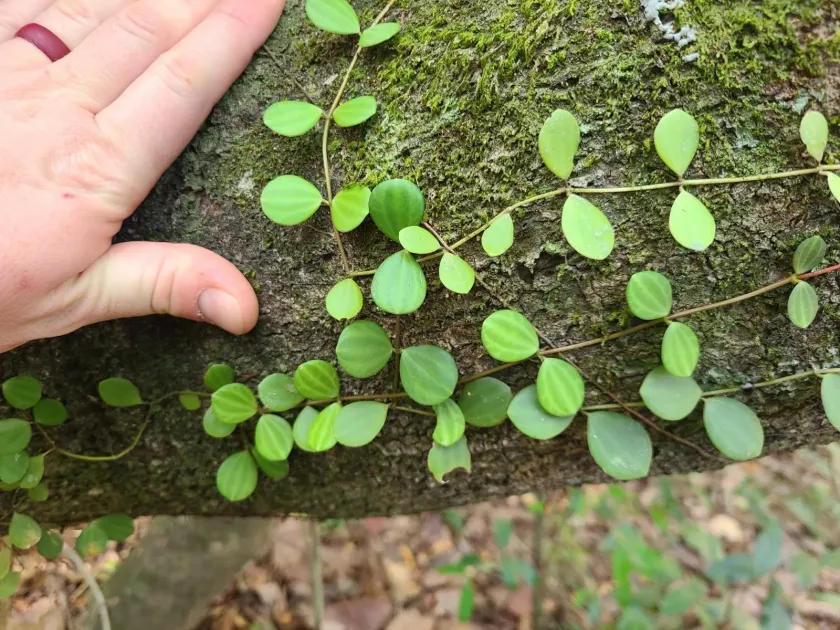
The botanical structure of the plant is defined by its trailing stems with a distinct square cross-section, which inspired its specific epithet. The leaves are small, succulent, and patterned with dark green stripes, making it a highly desirable specimen for ornamental horticulture.
In terms of climate requirements, this species thrives in temperatures between 20°C and 25°C. It is intolerant of cold drafts and requires bright, indirect light to maintain its vibrant leaf variegation and healthy growth habit throughout the year.
The soil should be well-draining, loose, and rich in organic matter. A mixture suitable for epiphytes or a standard peat-based potting soil mixed with perlite is ideal. Proper drainage is essential to prevent root asphyxiation, as this plant is prone to rotting if left in waterlogged conditions.
The primary horticultural use of Peperomia quadrangularis is as an ornamental foliage plant. Due to its trailing habit, it is frequently used in hanging baskets, terrariums, and as an accent plant in office or home interiors where its unique aesthetic value is best appreciated.
Main diseases and pests
The most common pests affecting this plant are mealybugs and spider mites. These insects tend to thrive in dry environments; therefore, maintaining moderate air humidity is a key preventative measure. Regular inspection of the undersides of the leaves is recommended.
Pathological threats are primarily related to fungal infections resulting from overwatering or poor ventilation. Root rot is the most serious issue, often appearing as yellowing leaves or wilting stems. To manage this, one should always allow the top inch of soil to dry before watering.