
Peperomia pseudovariegata sarcophylla
Peperomia pseudovariegata C. DC. var. sarcophylla (Sodiro) Trel. & Yunck.
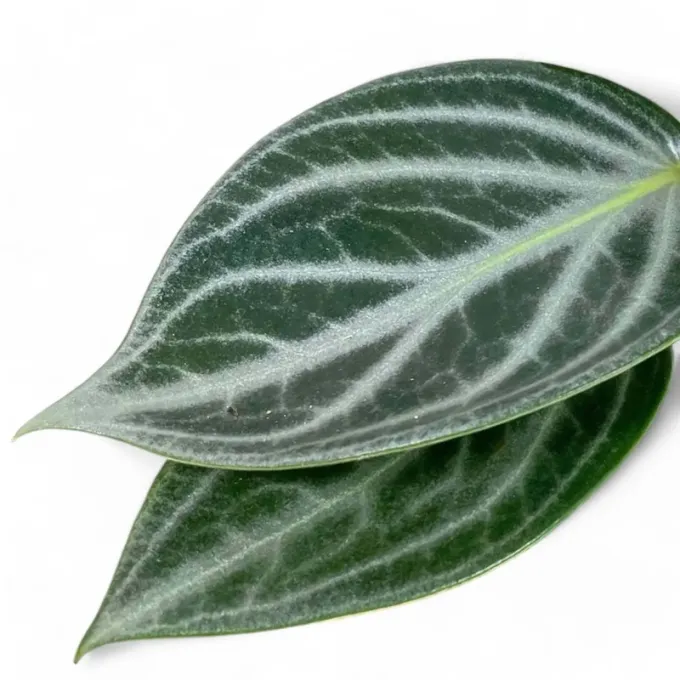
Description
Growing requirements
Peperomia pseudovariegata sarcophylla is a member of the Piperaceae family, known for its thick, succulent-like leaves that store moisture, allowing it to thrive in the humid forest understories of South America. This perennial species is highly valued in horticulture for its ornamental foliage and compact growth habit.
Successful cultivation requires bright, indirect light to maintain the vibrant coloration of the leaves. Direct sun exposure can lead to leaf scorching, whereas insufficient light causes leggy, unattractive growth patterns, which significantly reduces the commercial value of the crop.
The ideal soil for this species must be porous and well-draining, similar to substrates used for epiphytic orchids. A mix consisting of peat moss, pine bark, and perlite ensures adequate aeration, preventing the root rot that often plagues this plant in poorly managed farming environments.
Temperature management is critical; the plant performs best in a stable environment ranging from 20°C to 25°C. Exposure to sudden temperature drops or cold drafts should be avoided at all costs, as the plant is tropical in origin and lacks tolerance to chilling injury.
Watering practices must be disciplined, focusing on allowing the growing medium to dry significantly between sessions. Overwatering is the most common cause of crop failure, as the plant's root system is sensitive to waterlogged conditions that lead to tissue degradation.
Main diseases and pests
Phytophthora and Rhizoctonia species are the primary fungal threats to this culture, typically appearing when high humidity is paired with stagnant air. Maintaining good ventilation is an essential preventative measure for any large-scale cultivation operation.
Mealybugs and spider mites represent the most prevalent pest threats to the plant. These insects often colonize the undersides of leaves and the leaf axils, draining the plant's vitality and creating a sticky residue that serves as a medium for secondary fungal growth.
Effective pest management involves regular scouting and the use of insecticidal soaps or systemic pesticides when infestations are detected. Maintaining high ambient humidity through misting or humidification systems can help deter spider mite outbreaks.
Sanitation within the production area is vital to prevent the spread of diseases. Sterilizing tools and removing any symptomatic foliage immediately can save the rest of the batch and maintain high product standards for market distribution.
The overall longevity of Peperomia pseudovariegata sarcophylla in an agricultural setting depends on rigorous adherence to moisture and nutrient management protocols. Balanced liquid fertilizers applied at half-strength during the growing season help strengthen the plant's natural defenses.