
Peperomia pseudovariegata
Peperomia pseudovariegata C. DC.
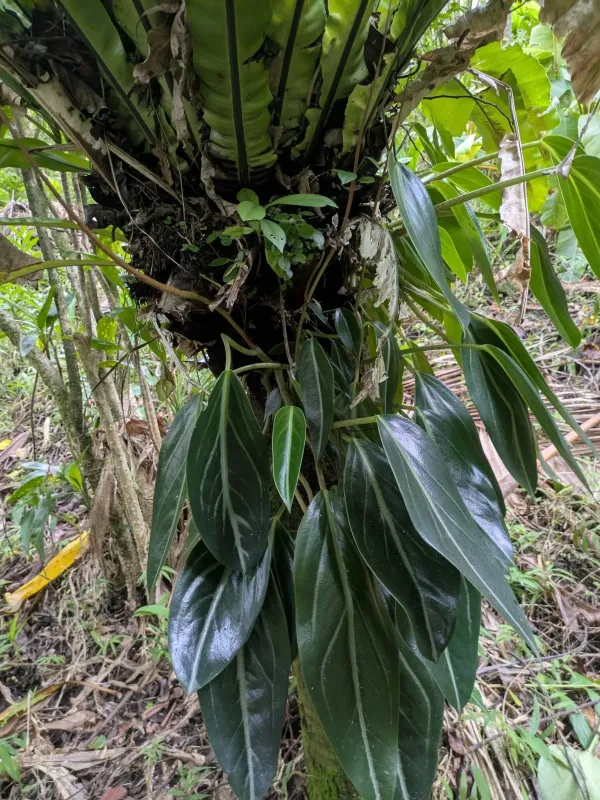
Description
Growing requirements
Peperomia pseudovariegata is a herbaceous perennial plant belonging to the Piperaceae family. Native to the humid rainforests of South America, it is adapted to the dim, filtered light of the forest floor, making it an excellent choice for indoor cultivation in temperate climates.
The botanical structure of this plant features fleshy, succulent-like stems and distinct heart-shaped leaves adorned with light, variegated veining. These features are not only aesthetically pleasing but also serve as moisture-retention mechanisms, allowing the plant to thrive in its native humid habitat.
Successful cultivation requires a stable indoor environment with temperatures consistently between 20°C and 25°C. It is essential to avoid cold drafts and significant temperature fluctuations, which can trigger physiological stress and cause the plant to shed its leaves prematurely.
The substrate must be well-draining, loose, and rich in organic matter. A mixture of peat, perlite, and high-quality potting soil ensures that the roots receive adequate aeration. Providing a proper drainage layer at the bottom of the container is non-negotiable for long-term health.
Watering practices are critical for this species; the soil should be allowed to dry slightly between irrigation sessions. Over-watering is the most common cause of failure in cultivating this species, as stagnant moisture rapidly degrades the root system and promotes the growth of harmful pathogens.
Main diseases and pests
The most significant threats to the health of this culture are root and stem rot, often caused by poor drainage and excessive moisture. These fungal diseases can spread rapidly through the tissue, making preventative moisture control the most effective management strategy.
Pests such as mealybugs and spider mites are frequent invaders, especially in low-humidity environments. Integrated pest management, including regular inspection and the use of insecticidal soaps, is recommended to protect the integrity of the foliage and ensure optimal development.