
Peperomia peruviana
Peperomia peruviana (Miq.) Dahlst.
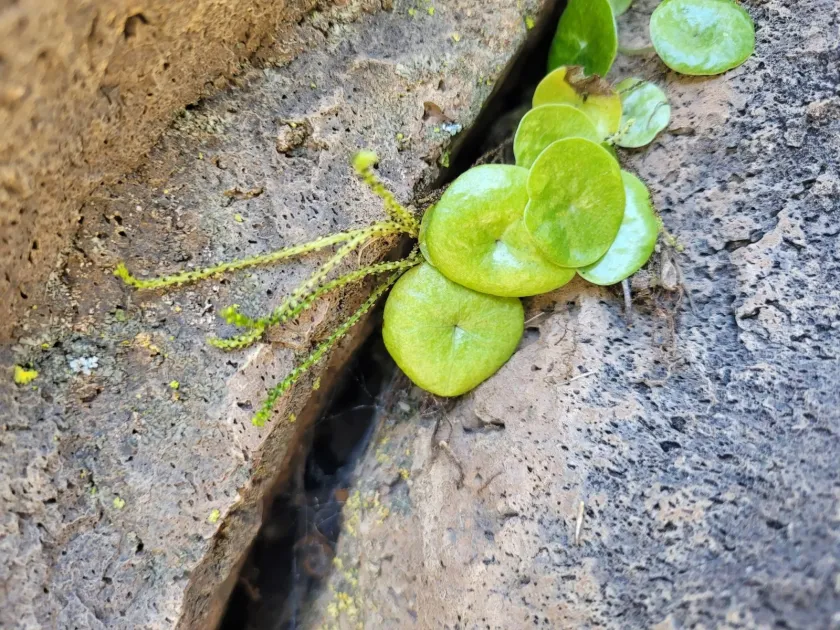
Description
Growing requirements
Peperomia peruviana is a member of the Piperaceae family, native to the tropical regions of Peru. This species is highly valued in horticulture for its distinct fleshy leaves and compact growth habit, which makes it a staple in indoor gardening and botanical collections.
Cultivation requirements involve a well-draining potting medium, usually a mix containing peat moss, perlite, and pine bark. The root system is relatively small and sensitive to oxygen deprivation, so maintaining a light soil structure is essential to prevent asphyxiation and root decay.
The plant thrives in bright, indirect light conditions. While it can tolerate lower light levels, excessive shade may result in leggy growth and loss of natural leaf coloration. It is strictly recommended to avoid direct sunlight, as the intensity can cause tissue damage and leaf chlorosis.
Temperature management is crucial; the plant prefers a stable range between 18°C and 25°C. Exposure to sudden cold drafts or temperatures below 15°C will severely stress the plant, potentially leading to leaf drop and systemic weakening of the organism.
Watering frequency should be determined by the moisture levels of the substrate. Allow the soil to dry out significantly between waterings to mimic the natural epiphytic tendencies of the species. Overwatering is the most common cause of failure in the cultivation of this specific Peperomia.
Main diseases and pests
The primary biological threats to Peperomia peruviana include various species of root rot caused by pathogens such as Pythium and Phytophthora. These conditions flourish in wet, poorly ventilated soils, often making them difficult to control once the infection reaches the stem.
Pests that frequently infest this crop include mealybugs and spider mites. These sap-sucking insects thrive in environments with low ambient humidity. They often congregate in the leaf axils, making physical removal and localized treatment necessary for effective control.
To mitigate the risk of pest infestation, it is recommended to maintain a clean cultivation environment and ensure adequate air circulation around the plants. Periodic wiping of the leaves with a damp cloth can also help remove dust and discourage the establishment of small insect populations.
Fungal leaf spot diseases may appear if water remains on the leaves for extended periods. This is particularly problematic in humid, stagnant air environments. Growers should ensure that the foliage remains dry and that the growing space has sufficient ventilation to prevent bacterial and fungal proliferation.
Proper sanitation of tools and pots is a fundamental preventive measure. By using sterilized substrates and tools, the grower minimizes the introduction of soil-borne pathogens. Regular monitoring is the key to identifying early signs of distress and taking corrective action before the plant's health declines.