
Peperomia orba
Peperomia orba G. S. Bunting
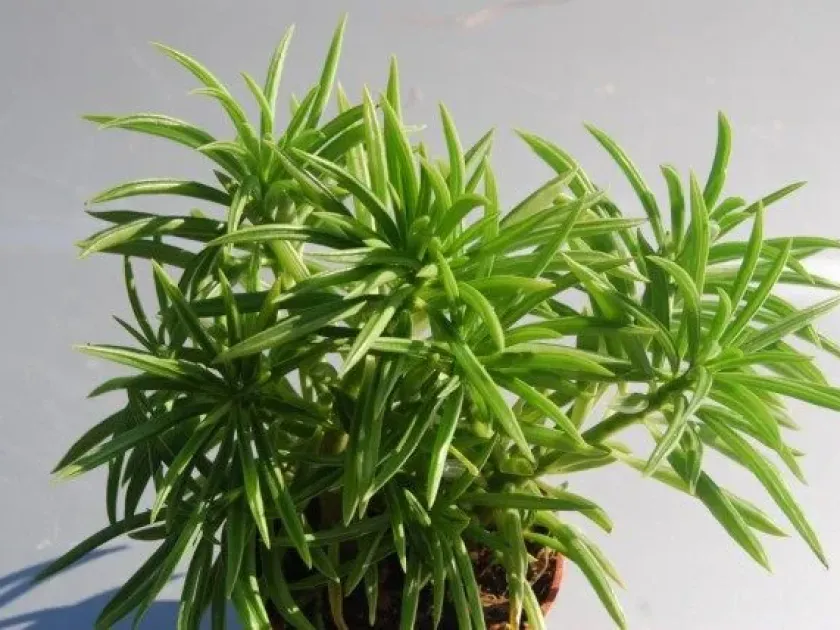
Description
Growing requirements
Peperomia orba belongs to the Piperaceae family, a diverse group of tropical plants primarily native to South and Central America. This specific variety is highly valued for its compact habit and glossy, succulent-like foliage, making it a popular subject in indoor horticulture.
The plant thrives in environments that mimic its natural habitat, requiring bright, indirect light to maintain its optimal color and structural integrity. Exposure to harsh, direct sunlight must be avoided to prevent leaf scorch, which ruins the aesthetic value of the crop.
Soil requirements for Peperomia orba emphasize drainage and aeration. A mix containing peat moss, perlite, and coarse sand provides the ideal structure for root health, preventing waterlogging, which is the most frequent cause of crop failure in this species.
The irrigation strategy should focus on the "soak and dry" method, allowing the substrate to partially dry out before applying water again. Overwatering can lead to physiological disorders and increases the susceptibility to root-rot pathogens in high-humidity conditions.
During the growing season, a balanced liquid fertilizer applied sparingly every month is sufficient to support consistent development. Temperature control is also vital, as the plant prefers stable conditions and cannot withstand prolonged exposure to cold drafts.
Main diseases and pests
Mealybugs are a common pest problem for Peperomia orba, often hiding in the crevices of stems and leaf bases. Monitoring and early treatment with insecticidal soap or systemic pesticides are essential to keep the crop healthy and prevent severe infestations.
Spider mites frequently attack the foliage under conditions of low relative humidity. Their presence is marked by fine webbing and discoloration of leaves, necessitating an increase in ambient humidity or the application of appropriate miticides.
Fungal diseases, specifically root rot, occur when moisture levels exceed the plant's requirements. This condition often results from improper soil composition or poor container drainage, necessitating careful review of the current growing media.
Scale insects can appear as small, stationary bumps on stems or leaf undersides. Because they are protected by a waxy cover, manual removal followed by a thorough inspection or chemical intervention is required to manage the population effectively.
Yellowing leaves are a generic symptom often indicating distress, which could range from improper watering habits to nutrient deficiencies. Providing the correct balance of environmental inputs is key to mitigating these minor health threats.