
Peperomia marmorata
Peperomia marmorata Hook. f.
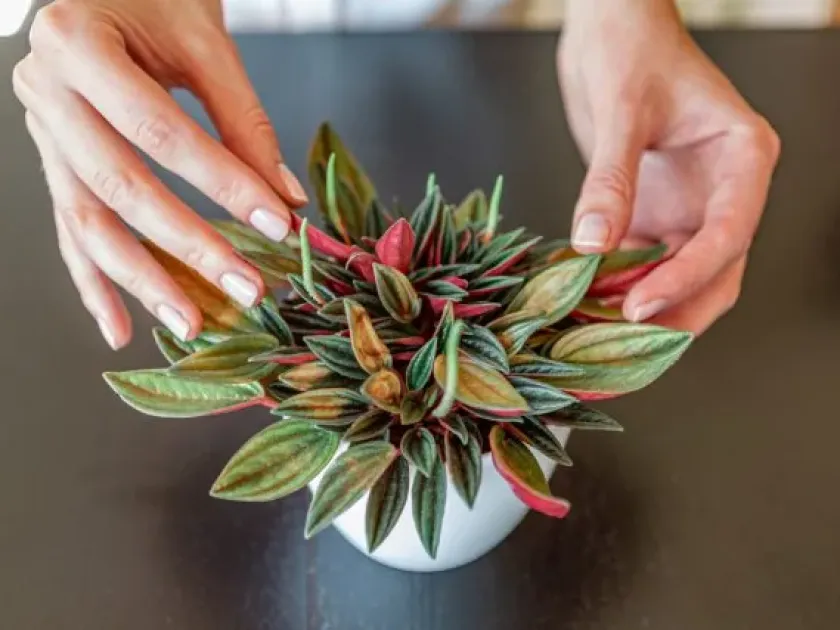
Description
Growing requirements
Peperomia marmorata is a member of the Piperaceae family. This ornamental herbaceous perennial is native to the tropical rainforests of Brazil, where it thrives in shaded, humid environments under the forest canopy.
The plant requires bright, indirect sunlight to maintain its characteristic foliage patterns. Direct sunlight should be avoided as it can scorch the delicate leaves and lead to premature wilting and faded color intensity.
Ideal temperatures range between 20°C and 25°C. As a tropical species, it does not tolerate cold temperatures or sudden drafts, which can cause significant physiological stress and lead to leaf drop.
A well-draining, loose soil mix is essential for healthy root development. A mixture consisting of peat moss, perlite, and bark fragments is highly recommended to ensure adequate oxygen circulation around the root system.
Watering should be approached with caution. It is vital to allow the top half of the soil to dry out between watering sessions, as the succulent nature of the leaves allows the plant to store water, making it prone to rot if overwatered.
Main diseases and pests
The most frequent pests affecting Peperomia marmorata are spider mites, mealybugs, and fungus gnats. These pests thrive in dry indoor conditions and can cause severe damage if left unmanaged.
Root rot, caused by overwatering or poor drainage, is the primary disease threat. It manifests as blackened, mushy stems and collapsing foliage, often requiring immediate repotting and soil replacement to save the plant.
Regular monitoring of the plant is necessary to catch infestations early. Wiping leaves with a damp cloth not only keeps the plant clean but also helps to physically remove pests like mites and dust.
When chemical treatment is required, insecticidal soaps or neem oil are generally safe and effective for small-scale cultivation. Always apply treatments during cooler parts of the day to avoid leaf burn.
Maintaining good hygiene in the plant collection, such as removing dead leaves and using clean containers, effectively minimizes the risk of pathogen spread and keeps the plant vibrant and healthy.