
Peperomia hybrid
Peperomia hybrid
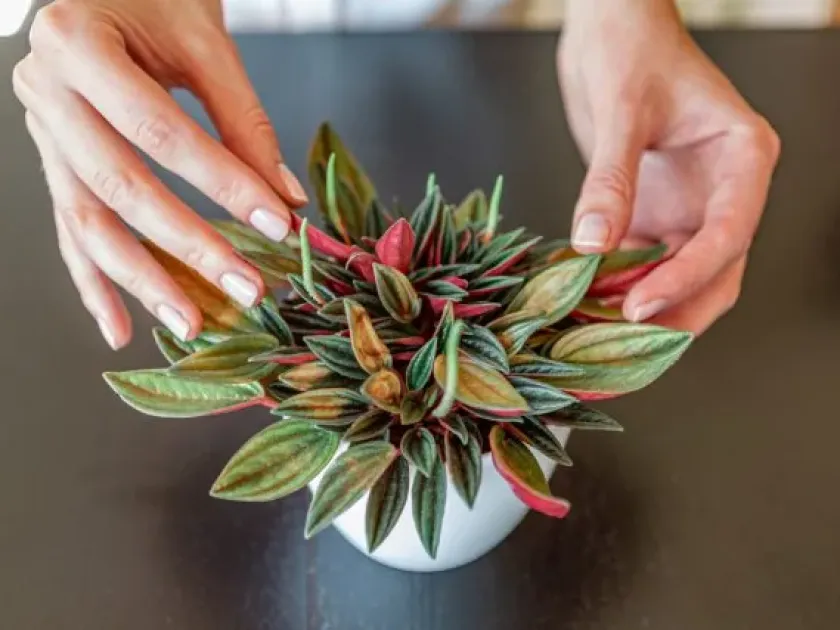
Description
Growing requirements
Peperomia hybrid belongs to the Piperaceae family. This ornamental crop is a product of selective breeding, designed to offer a variety of leaf textures and growth habits suitable for indoor decorative environments and professional interior landscaping.
Native to tropical South America, these plants thrive in forest understories. In an agricultural context, they require bright, indirect light to maintain their vibrant foliage colors and compact growth patterns, avoiding direct sunlight.
The optimal temperature range is between 18 and 26 degrees Celsius. Stability is key for this crop, as sudden fluctuations or cold drafts can cause leaf drop and stress the root system, hindering overall development.
The growing medium must be porous, well-draining, and slightly acidic. A mix of peat, perlite, and pine bark is often used to ensure proper aeration and prevent moisture stagnation, which is critical for healthy root development.
Irrigation practices involve allowing the top third of the soil to dry out between watering sessions. Over-watering is the most common mistake in managing this crop, often leading to irreversible damage to the sensitive stem tissues.
Main diseases and pests
Common pests include spider mites and mealybugs. If an infestation occurs, it is essential to use appropriate systemic insecticides or horticultural oils to eliminate pests while ensuring the plants are quarantined from others.
Root rot is the most significant disease for Peperomia hybrid, usually caused by over-irrigation and poor drainage conditions. Early detection involves inspecting the root ball for soft or discolored tissues.
Fungal infections such as Cercospora leaf spot can appear under high humidity and poor air circulation. Removing infected leaves and improving airflow are primary methods for managing the spread of the disease.
Bacterial wilt may occur in greenhouse conditions, leading to rapid stem collapse. Strict adherence to sanitation protocols and using sterile soil substrates are effective preventative measures against such outbreaks.
Physiological disorders, such as leaf edema, may occur due to inconsistent watering cycles. Balancing the moisture intake and adjusting light levels are necessary to restore the plant to a healthy state.