
Peperomia clusiifolia
Peperomia clusiifolia (Jacq.) Hook.
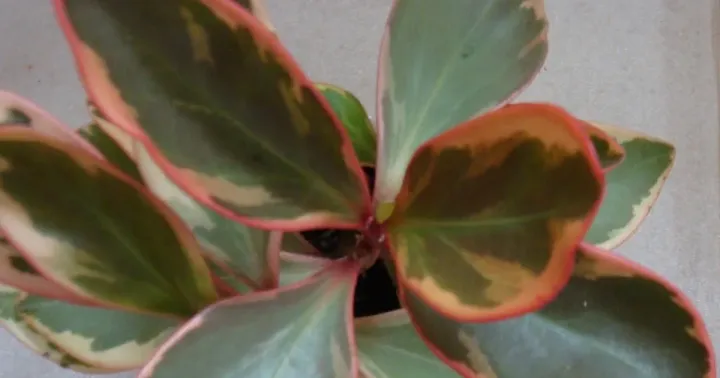
Description
Growing requirements
Peperomia clusiifolia is an evergreen herbaceous perennial plant that belongs to the Piperaceae family. It is native to the tropical regions of the Caribbean, specifically the Antilles, where it grows as an epiphyte or lithophyte.
The plant is characterized by its thick, fleshy, obovate leaves that often feature a distinct reddish or purple margin. Its botanical structure is adapted for water storage, allowing it to survive in environments where moisture levels may fluctuate.
For successful cultivation, the plant requires bright, indirect light to maintain its vibrant leaf coloration. Temperatures between 20°C and 25°C are ideal, and the plant should be protected from sudden temperature drops and cold drafts.
Soil requirements for Peperomia clusiifolia involve a well-draining, lightweight potting mix. A combination of peat, perlite, and coarse sand provides the necessary aeration and moisture control to prevent root suffocation.
Agrotechnical practices emphasize a 'soak and dry' watering method, ensuring that the soil dries out significantly between irrigation cycles. Overwatering is the most common mistake and can lead to rapid decline in plant health.
Main diseases and pests
The most common pests affecting this species include mealybugs and spider mites, which thrive in low-humidity environments. Regular inspection of the undersides of the leaves is crucial for early detection and mitigation.
Root rot caused by fungal pathogens is the primary disease threat, typically triggered by saturated soil and poor drainage. Management involves improving soil aeration, reducing watering frequency, and using fungicides if a severe infestation occurs.