
Peperomia caperata hybrid
Peperomia caperata x Peperomia peruviana
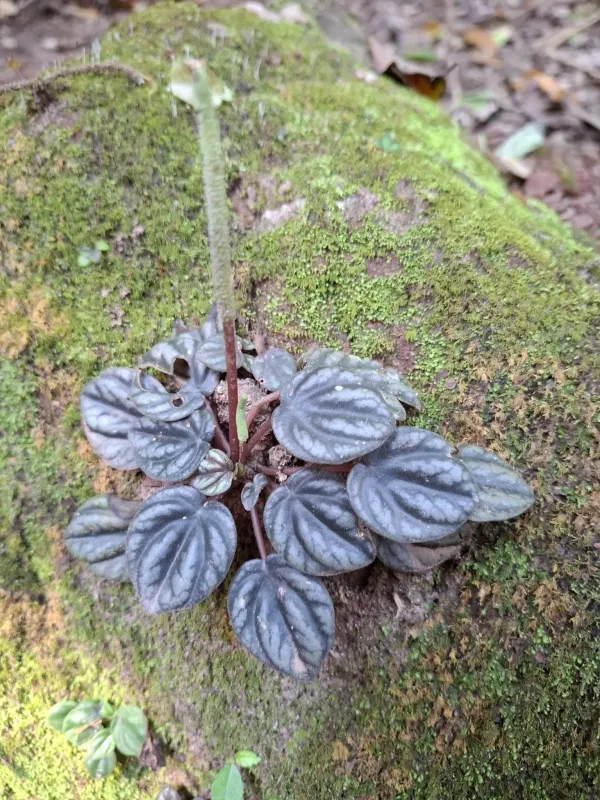
Description
Growing requirements
Peperomia caperata hybrid is an ornamental plant belonging to the Piperaceae family, originating from a cross between Peperomia caperata and Peperomia peruviana. This species is prized for its textured, corrugated foliage and compact, bushy growth habit.
Native to the tropical rainforests of South America, this plant thrives in warm, humid conditions. It is well-suited for indoor cultivation, provided that its specific environmental requirements for light and moisture are consistently met throughout the year.
The culture requires bright, indirect light to maintain its vivid leaf coloration and structural integrity. Exposure to direct sunlight can scorch the delicate foliage, while low light levels may lead to reduced growth rates and poor development of the plant's characteristic texture.
Soil requirements involve a well-draining, aerated growing medium. A mixture of peat, perlite, and bark is often recommended to ensure adequate gas exchange at the root level, which is essential to prevent hypoxia in the root zone and promote healthy root development.
Watering management is the most critical aspect of the plant's husbandry. The growing medium should be allowed to dry slightly between waterings, as the plant is highly susceptible to root rot if the substrate remains waterlogged for extended periods.
Main diseases and pests
The primary biological threats to this hybrid include fungal pathogens that cause stem and root rot, typically resulting from poor drainage or excessive irrigation. Maintaining optimal hygiene and avoiding overhead watering can significantly reduce the incidence of these infections.
Common insect pests such as mealybugs and spider mites may infest the plant, particularly in low-humidity indoor environments. Effective management involves regular scouting of the foliage and the application of insecticidal soaps or horticultural oils when pest pressure is detected.