
Empress tree
Paulownia tomentosa (Thunb.) Steud.
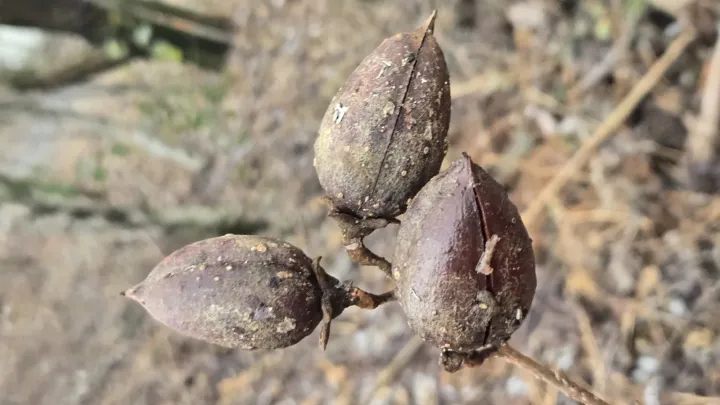
Description
Sowing dates
Planting of Paulownia tomentosa is primarily carried out in the spring, once the threat of night frost has passed and soil temperatures have reached 12-15 degrees Celsius. For commercial plantations, it is preferable to use one-year-old saplings with a closed root system.
In regions with colder climates, planting is conducted in May, allowing the plant to adapt and establish a robust root system before the first autumn frosts arrive. Planting density varies depending on the intended use of the timber.
When establishing commercial forests for high-quality lumber, a planting pattern of 4x4 or 5x5 meters is recommended. This provides sufficient space for each tree and promotes the development of a straight, uniform trunk.
Planting holes should be at least 60-80 centimeters deep, which facilitates the establishment of the powerful taproot. It is crucial to ensure proper drainage to prevent waterlogging during the first weeks after planting.
After planting, thorough watering is mandatory, regardless of weather conditions, to ensure firm contact between the roots and the soil substrate, eliminating air pockets in the growth zone.
Growing requirements
Paulownia tomentosa is a light-loving crop that requires open areas without shading. It does not tolerate competition from weeds well during the first two years, so regular weeding is a mandatory maintenance requirement.
The optimal soils for this crop are light, well-drained loams or sandy soils with a pH ranging from 6.0 to 7.5. Heavy clay soils prone to waterlogging are strictly unsuitable for commercial cultivation.
The tree is sensitive to excessive soil salinity and high water tables. In regions with arid summers, organizing drip irrigation is a critical factor for ensuring rapid biomass growth.
The crop belongs to the Paulowniaceae family and possesses exceptional growth energy. Under favorable conditions, the annual growth of young shoots can reach 2-3 meters, requiring an intensive nutrient regime and mineral supplementation.
For successful overwintering in temperate climates, saplings require proper late-summer care, including ceasing nitrogen fertilization to stimulate lignification of the shoots.
Yield
The primary product of paulownia is timber, which is used in the furniture industry and construction. With proper agronomy, the tree reaches harvestable dimensions suitable for milling within a single cycle (usually 6-8 years).
Biomass yield is measured not only by the volume of timber but also by the weight of fallen leaves, which act as a valuable organic fertilizer. The leaves are nitrogen-rich and decompose quickly, enriching the soil with nutrients.
Plantation productivity depends on the quality of planting material and adherence to the watering schedule. Maximum timber yield per hectare under intensive cultivation can reach up to 200-300 cubic meters per cycle.
Paulownia timber is characterized by its lightness, strength, and resistance to warping. These features make it a sought-after raw material for aircraft models, musical instruments, and decorative panels.
In addition to timber, paulownia plantations are excellent honey producers. The flowers are rich in nectar, and paulownia honey is considered an elite product with unique flavor profiles.
Main diseases and pests
Paulownia tomentosa is considered a relatively resilient crop; however, young saplings can suffer from fungal root infections if the soil is systematically waterlogged. Strictly following the irrigation regime is recommended.
In conditions of high-density planting and poor ventilation, outbreaks of powdery mildew on young leaves are possible. Preventive fungicide treatments at early development stages effectively stop the issue.
Among pests, white grub larvae (cockchafer larvae) pose the greatest danger, damaging the root system. Soil insecticides applied during the preparation of planting holes are effective against them.
Young shoots can be damaged by aphids, which suck sap and slow down the tree's growth rate. Regular inspection of the sapling tops allows for prompt treatment with contact insecticides.
Hares and other rodents may cause mechanical damage to the bark of young trees during the winter period. Installing protective mesh on the trunks is a standard protective measure on plantations.
Harvesting
Timber harvesting begins once the tree reaches the target trunk diameter. This typically occurs 6-8 years after planting, depending on growth rates and the goals of the plot's operation.
Felling is performed during the winter dormancy period when sap flow is minimal. This ensures the preservation of nutrients in the root system, which is critical for subsequent regeneration.
A unique feature of paulownia is its ability to regenerate from the stump. After felling, the tree produces new shoots, allowing for up to 4-5 harvests from a single root system without the need for replanting.
Harvested trunks undergo primary processing on the plantation: cleaning branches and sorting by diameter. A crucial stage is proper timber drying, which, due to its structure, dries significantly faster than coniferous woods.
After harvest, the plantation requires maintenance: fertilization, soil mulching, and thinning shoots to select the strongest trunk for the next growth cycle.