
Paulownia catalpifolia
Paulownia catalpifolia T. Gong ex D. Y. Hong
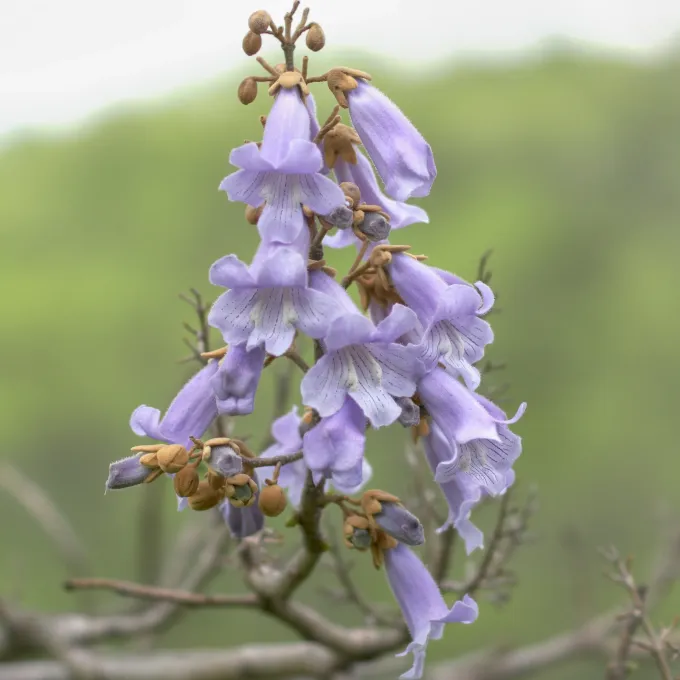
Description
Sowing dates
Planting of Paulownia catalpifolia is best conducted in spring, once the risk of frost has passed and soil temperatures consistently exceed 12-15 degrees Celsius. For commercial plantations, using high-quality seedlings grown via tissue culture (micropropagation) with a developed root system is standard practice.
In regions with shorter growing seasons, propagation in greenhouses during late winter allows for the production of vigorous seedlings ready for transplanting in May. Acclimatization of these young plants to outdoor conditions is a necessary step before moving them into the field.
The planting density is determined by the intended wood utilization, typically ranging from 3x3 to 4x4 meters. Proper spacing ensures each tree has access to sufficient sunlight and soil nutrients, which is crucial for achieving rapid, uniform trunk development.
The first few weeks after planting are critical; consistent soil moisture must be maintained to prevent root desiccation. Mulching around the base of the trees helps retain moisture and suppresses weed growth, which is essential during the establishment phase.
Autumn planting is generally avoided as young, non-lignified shoots are susceptible to cold damage. Agronomists recommend planning for spring establishment to provide the trees with a full growing season to build up reserves before the onset of their first winter.
Growing requirements
Paulownia catalpifolia is a fast-growing deciduous species within the Paulowniaceae family, highly valued for its rapid biomass accumulation. It thrives best in deep, well-drained loamy or sandy-loam soils with a neutral or slightly acidic pH level.
The species requires high light exposure, making open areas protected from strong, prevailing winds the ideal location for plantations. An annual rainfall between 700 and 1200 mm is generally sufficient, though the species is sensitive to water availability.
Soils that are prone to waterlogging or high clay content are unsuitable, as poor aeration and stagnant water significantly increase the risk of root rot. Groundwater levels should not be closer than 1.5-2 meters to the surface to maintain optimal root health.
In regions where rainfall is insufficient, irrigation—preferably a drip system—is essential to sustain the high metabolic rates required for rapid growth. Deficits in water supply will result in stunted development and poor wood quality.
The tree responds well to strategic fertilization programs that include nitrogen, phosphorus, and potassium. Maintaining a clean field free of weeds through regular mechanical cultivation or mulching allows the tree to maximize its inherent growth potential.
Yield
The yield potential of Paulownia catalpifolia is measured by its wood production cycle, typically ranging from 8 to 12 years. Under intensive management, this species produces a high-quality, lightweight, and durable timber that is highly sought after by various industries.
The wood is known for its resistance to warping and excellent acoustic properties, making it valuable for furniture manufacturing, high-end musical instruments, and light construction. This versatility ensures a stable market for high-quality logs.
Beyond wood, the massive annual production of leaf biomass can be utilized as a nutritious feed additive for livestock or as raw material for high-quality organic fertilizer, creating a secondary revenue stream for the plantation owner.
A key economic benefit of this species is its ability to coppice, meaning the tree can regrow from the rootstock after harvesting. This cycle can be repeated for multiple rotations without the cost of replanting, significantly improving the profitability of the land.
Technical pruning is an essential agricultural practice to ensure the development of a straight, knot-free trunk. This increases the proportion of high-grade wood harvested, which directly correlates to higher selling prices at timber markets.
Main diseases and pests
The most significant threat to Paulownia plantations is fungal root decay, usually induced by poor drainage or excessive soil moisture. Symptoms include yellowing leaves and reduced growth rates, requiring immediate intervention such as drainage improvements.
Leaf-eating pests, such as various caterpillars, can cause substantial damage to the foliage during mass outbreaks. Regular scouting of the plantation allows for timely application of environmentally safe insecticides to protect the plant's photosynthetic capacity.
Powdery mildew can infect trees in environments with high humidity and poor air circulation. Proper spacing of the trees and strategic pruning of lower branches enhance airflow, effectively minimizing the risk of this fungal disease.
Soil-borne pests like white grub larvae can damage the roots of young seedlings, necessitating preventive soil treatment at the time of planting. Maintaining healthy, vigorous trees is the best natural defense against biotic stress factors.
Adhering to strict agronomic standards, such as removing dead plant material and providing balanced nutrition, is vital for plantation health. A well-managed plantation with a healthy microbiome is significantly more resilient to potential pathogens.
Harvesting
Harvesting for timber is carried out during the winter months when the tree is dormant and sap flow has stopped. This period ensures the wood has a lower moisture content, which facilitates easier drying and reduces the risk of fungal growth during the post-harvest period.
Professional logging techniques are required to ensure a clean, level cut near the ground, which promotes healthy regrowth from the stump. A jagged or improper cut can lead to trunk splitting and potential disease entry points.
Upon harvest, logs should be immediately sorted and processed. Proper stacking in a ventilated area or kiln drying is required to stabilize the wood and preserve its mechanical properties, ensuring it retains its value for the buyer.
Post-harvest management involves clearing the plantation of debris and applying necessary amendments to the soil to stimulate the stump's regeneration. This promotes a fast and vigorous start for the new generation of sprouts in the upcoming season.
Efficient logistics during the harvest process are crucial to avoid damaging the soil structure and the newly emerging sprouts. A well-planned harvest strategy ensures the long-term sustainability and profitability of multiple coppice rotations.