
Paulownia fortunei x kawakamii
Paulownia fortunei (Seem.) Hemsl. x P. kawakamii T. Itô
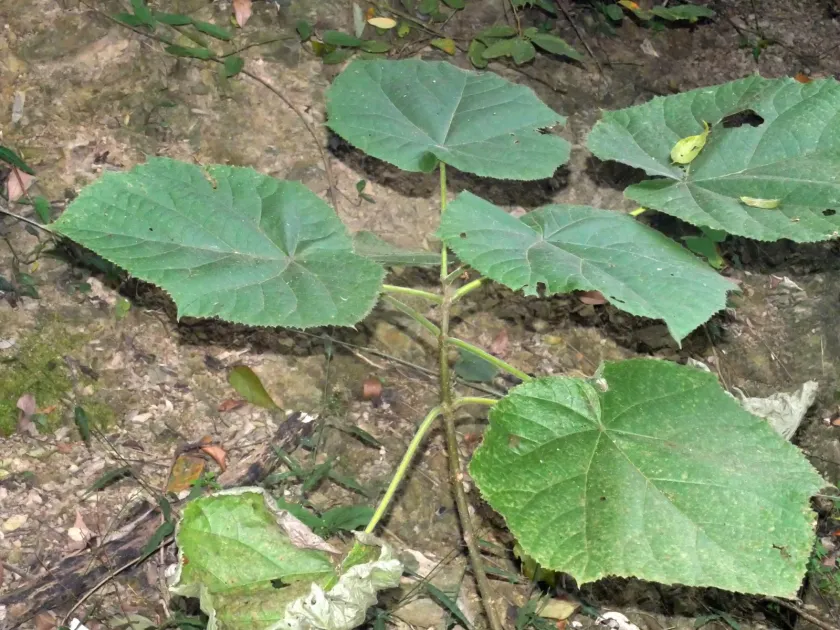
Description
Sowing dates
Planting of the Paulownia fortunei x kawakamii hybrid is best performed in the spring season once the threat of late frosts has passed and soil temperatures reach at least 12–15 degrees Celsius.
For commercial-scale plantations, it is highly recommended to use one-year-old seedlings grown in containers to ensure high survival rates and rapid establishment.
Optimal planting density ranges from 500 to 800 trees per hectare, depending on the specific goals for timber diameter and industrial application requirements.
Proper site preparation involves digging planting pits of at least 60x60x60 cm, enriched with organic matter to provide essential nutrients during the initial growth stage.
Consistent watering immediately after planting is vital to eliminate air pockets and ensure good soil-to-root contact for successful early root development.
Growing requirements
This hybrid belongs to the Paulowniaceae family and is recognized globally for its superior growth rates and adaptation to a wide range of subtropical and temperate climates.
The trees require full sun exposure; choosing a site with maximum sunlight is critical to driving the rapid photosynthesis required for substantial biomass accumulation.
The ideal soil conditions for this cultivar consist of well-drained, sandy loam soils with a pH level between 6.0 and 7.5 to ensure optimal nutrient uptake.
Establishing a drip irrigation system is essential for the first three years, as young Paulownia plants require consistent moisture to thrive and reach their growth potential.
Sites with heavy clay, waterlogged areas, or shallow groundwater tables should be avoided, as the root system is highly susceptible to rot under anaerobic conditions.
Yield
Paulownia fortunei x kawakamii is one of the most productive timber hybrids, capable of reaching harvestable size within 7 to 9 years of initial planting.
The tree exhibits extreme vertical growth, frequently reaching heights of 2–3 meters per year during the first few seasons under optimal management conditions.
The harvested wood is highly prized for its lightweight yet durable properties, making it an excellent choice for furniture, high-end veneers, and musical instruments.
Due to its rapid biomass production, this hybrid is also a significant resource for the bioenergy sector, providing high-quality raw material for wood pellets.
The timber's resistance to warping and shrinking after drying adds substantial value to the end product in both domestic and international markets.
Main diseases and pests
Young plants are particularly vulnerable to pests such as aphids and leaf-eating beetles, which can significantly stunt growth if left unmonitored during the first year.
Fungal diseases like powdery mildew or root rot can occur in areas with poor air circulation or excessive soil moisture, necessitating strict plantation hygiene.
Winter rodent activity poses a risk to the bark of young trees; protective measures or regular field scouting are necessary to prevent girdling and tree loss.
Weed management is critical in the early growth phases, as invasive vegetation competes for water and nutrients and provides a habitat for potential pest populations.
Integrated Pest Management (IPM) practices, including timely sanitation pruning, help maintain plantation health while minimizing the need for heavy chemical applications.
Harvesting
Harvesting is typically conducted during the plant's winter dormancy period when sap flow is at its lowest, ensuring the highest possible quality of the harvested wood.
A key economic advantage of this species is its coppicing ability, allowing the root system to generate new sprouts after the main stem is harvested, enabling multiple production cycles.
Mechanical harvesting using specialized forestry equipment ensures efficient cutting and minimizes damage to the existing root structure for future regrowth.
Post-harvest logs must be moved to covered, well-ventilated storage areas and dried appropriately to prevent fungal staining and preserve the timber's integrity.
Strategic management of regrowth cycles significantly lowers establishment costs, making subsequent harvests more profitable than the initial investment phase.