
Paulownia fortunei
Paulownia fortunei (Seem.) Hemsl.
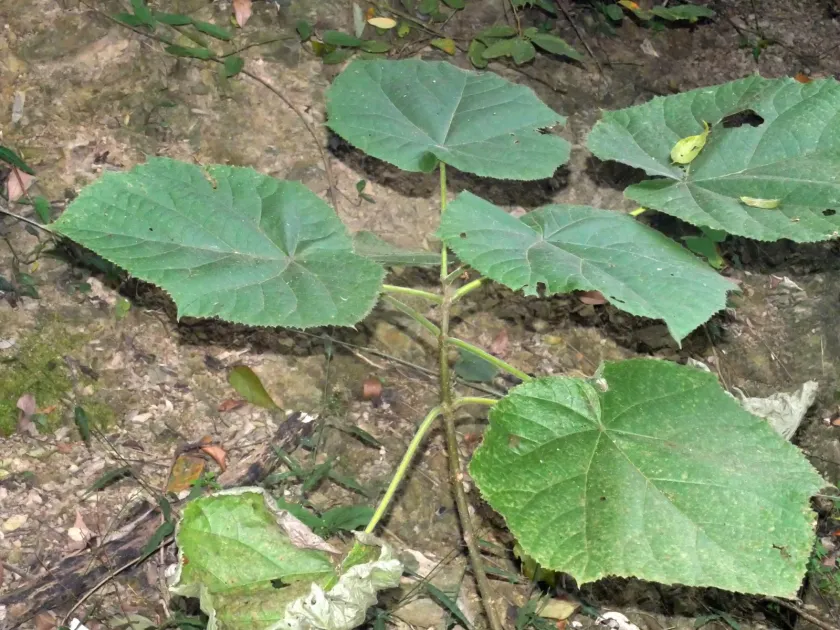
Description
Sowing dates
Planting of Paulownia fortunei for commercial timber production is typically carried out in early spring once the risk of ground frost has fully passed.
High-quality planting material, preferably one-year-old seedlings with a well-developed root system, should be selected to ensure rapid establishment.
Soil preparation involves deep ripping and the application of balanced fertilizers to support the plant's aggressive growth rate during the first growing season.
Planting density is adjusted based on specific goals, commonly ranging from 4x4 meters to 5x5 meters to allow trees enough space for optimal diameter development.
Adequate irrigation must be provided immediately after transplanting to help the saplings overcome transplant shock and establish roots in the native soil.
Growing requirements
As a member of the Paulowniaceae family, Paulownia fortunei thrives in warm, temperate climates and requires a long growing season to reach its full potential.
The species prefers deep, well-drained loamy or sandy-loam soils with a pH ranging from 5.5 to 7.5, ensuring optimal nutrient availability for the tree.
Proper drainage is essential; the plant cannot tolerate waterlogged conditions, which lead to root asphyxiation and significantly hinder growth performance.
These trees are highly photophilic and require full sun exposure, as any significant shading can result in poor growth, reduced height, and weaker wood formation.
While adapted to various conditions, the species has specific winter hardiness limits, making it most productive in regions without extreme sub-zero temperatures.
Yield
Paulownia fortunei is globally renowned for its exceptional growth speed, often producing significant timber volume within 5 to 7 years of initial planting.
The timber produced is highly valued in industries for its lightweight properties, high strength-to-weight ratio, and excellent resistance to warping and fire.
Sustainable plantation management allows for high yields of biomass, which can be utilized for energy production or as soil-improving organic compost.
Proper silvicultural practices, including side-branch pruning, ensure the production of clear, knot-free logs, significantly increasing the market value of the harvest.
Integrated agroforestry systems allow for intermediate crops to be grown between the rows, optimizing the total economic productivity of the plantation area.
Main diseases and pests
Young plantations are vulnerable to fungal diseases such as powdery mildew, especially in environments characterized by high humidity and poor air circulation.
Root rot pathogens represent the most significant threat to plantation health, usually triggered by over-irrigation or soil compaction preventing proper drainage.
Pests, particularly leaf-eating caterpillars and certain beetles, can cause defoliation, which hampers the photosynthesis process and slows tree development.
Wildlife damage, such as deer rubbing against tree trunks or small rodents gnawing on bark, necessitates the use of physical barriers or protective wraps.
Proactive management includes regular site scouting and the application of integrated pest management strategies to maintain the health and vigor of the stands.
Harvesting
Timber harvest for Paulownia fortunei is typically scheduled when the trees reach the desired merchantable diameter, usually within a 7 to 10-year harvest cycle.
The species possesses an impressive regenerative capacity, allowing the tree to regrow from the remaining stump after the primary harvest is completed.
This coppicing ability enables multiple harvest rotations from a single planting, dramatically reducing the long-term investment costs for the plantation owner.
Efficient harvesting techniques involve professional cutting protocols at the base of the tree to protect the root crown and stimulate vigorous new shoots.
Post-harvest processing, including systematic drying and grading of the lumber, is critical to ensuring the final product meets industrial quality standards.