
Paulownia kawakamii
Paulownia kawakamii T. Itô
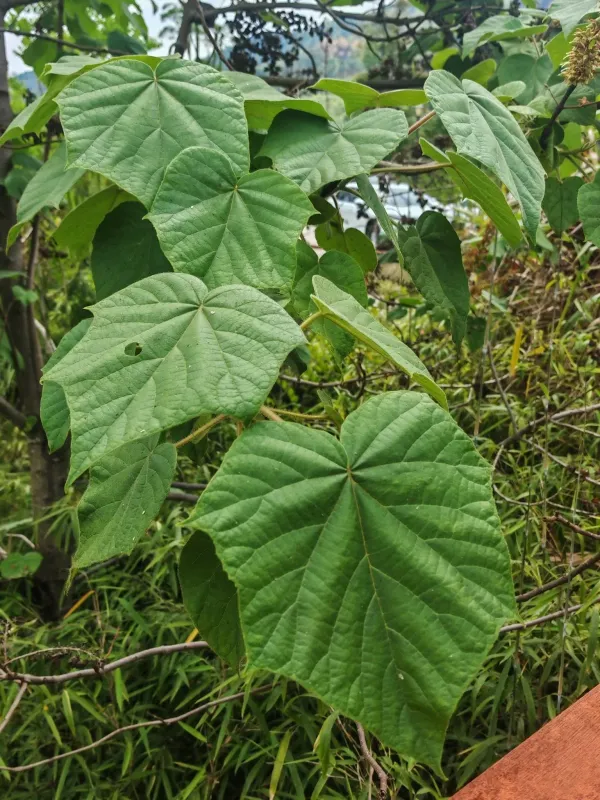
Description
Sowing dates
Paulownia kawakamii is primarily propagated through micropropagation (in vitro) to ensure uniform genetic characteristics and rapid growth rates. Seed-based propagation is possible but less reliable for producing high-quality timber plantations.
Greenhouse propagation requires temperatures between 22 and 25 degrees Celsius and high humidity levels. Careful monitoring is essential during the early stages to prevent damping-off diseases in young seedlings.
Seedlings are hardened off in individual containers, allowing for robust root development before transplantation. A well-drained, nutrient-rich potting mix is crucial to support the initial explosive growth phase.
Transplanting to the final site should occur after all danger of frost has passed in the spring. Ensuring the plant is well-established before the intense summer heat is key to success.
Planting density is typically determined by the end use, ranging from 500 to 1,500 trees per hectare. Proper spacing ensures adequate access to sunlight and airflow, which are vital for healthy development.
Growing requirements
As a member of the Paulowniaceae family, Paulownia kawakamii is a sun-loving species that thrives in well-ventilated, frost-free environments. It requires significant space for its large, heart-shaped leaves to perform efficient photosynthesis.
The ideal soil is a light, well-drained loam or sandy soil with a pH ranging from 6.0 to 7.5. Clay soils require significant amendments to improve drainage and aeration, as the tree is highly intolerant of waterlogged conditions.
Water requirements are significant during the peak growing season. Regular, deep irrigation is necessary for young trees to establish a deep root system, although mature trees show moderate drought tolerance.
Climate tolerance for Paulownia kawakamii is somewhat higher than other species, but it still prefers moderate climates with mild winters. Extremely cold temperatures can kill back the annual growth, impacting the timber quality.
Agricultural management includes regular nitrogen fertilization during the spring and early summer. This stimulates rapid biomass production, which is essential for reaching harvestable dimensions within a decade.
Yield
The primary yield from this species is premium, lightweight timber. Paulownia wood is highly valued for its exceptional strength-to-weight ratio, stability, and ease of machining.
The timber is widely used in the production of furniture, musical instruments, luxury boat interiors, and sports equipment. Its resistance to warping and decay makes it a superior choice for many industrial applications.
Beyond timber, Paulownia kawakamii serves as a powerful carbon sink. The massive leaf area allows the tree to sequester high volumes of atmospheric CO2, making it an excellent candidate for reforestation projects.
Energy-focused plantations can also be established, utilizing the tree's biomass for wood chips or biofuel production. The rapid growth rate allows for a high yield of biomass per hectare over a short time period.
Professional management involves the pruning of side branches to ensure a knot-free, straight trunk. This increases the percentage of high-grade, premium timber retrieved during harvest.
Main diseases and pests
Paulownia kawakamii is susceptible to root rot, particularly in poorly drained soils. Preventing soil saturation is the primary defense strategy against these fungal pathogens.
Insects, including aphids and leaf-eating caterpillars, can cause significant damage to young foliage. Integrated pest management, including regular monitoring, is recommended to mitigate the impact of infestations.
Poor ventilation within a dense plantation can encourage the spread of foliar fungal diseases. Ensuring proper spacing at the time of planting is an effective preventative measure against these threats.
Monitoring the plant for signs of stress, such as yellowing leaves or stunted growth, allows for early intervention. Proper sanitation and the removal of affected parts are essential to preserve the health of the entire grove.
Environmental stressors, such as severe wind or late-season frost, can physically damage the trees. Selecting a site with natural wind protection can reduce these risks significantly.
Harvesting
The harvest cycle for Paulownia kawakamii typically lasts between 8 and 10 years. Industrial harvesting involves cutting the trunk at the base to recover the high-quality wood.
A key feature of this species is its ability to resprout from the existing stump after harvesting. This coppicing capability allows for multiple harvest cycles without the need for replanting.
The resulting regrowth must be managed by selecting the strongest shoot and removing the others. This practice ensures that the subsequent timber crop maintains the same quality and growth speed.
Harvesting is best performed during the winter dormancy period. Reduced sap flow during this time improves the quality of the harvested logs and eases the subsequent drying and processing steps.
Following harvest, logs must undergo controlled kiln drying. This essential process stabilizes the wood, preventing cracking and ensuring the resulting lumber meets the required industrial standards.