
Hybrid Paulownia
Paulownia fortunei (Seem.) Hemsl. x Paulownia tomentosa (Thunb.) Steud.
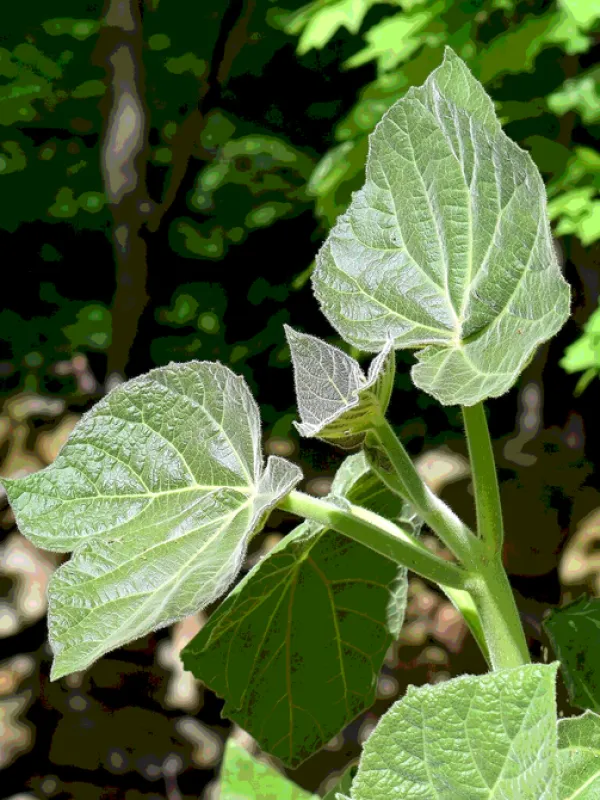
Description
Sowing dates
The planting of hybrid Paulownia (Paulownia fortunei x Paulownia tomentosa) seedlings is traditionally carried out in spring, once the danger of frost has passed.
Soil temperatures should reach at least +12°C to promote rapid root establishment, typically falling within the months of April and May depending on the latitude.
Standard spacing for commercial plantations ranges from 3x3 meters to 4x4 meters to ensure sufficient sunlight and airflow for each developing tree canopy.
Preparation of the site involves deep tilling of the soil to eliminate compaction, ensuring that the young root system can penetrate the substrate without resistance.
Immediate irrigation following planting is essential to eliminate air pockets around the root ball and to trigger the initial stage of rapid seasonal growth.
Growing requirements
As a member of the Paulowniaceae family, this hybrid combines the straight-trunk genetics of P. fortunei with the hardy characteristics of P. tomentosa.
The trees thrive in well-drained, sandy loam soils with a pH between 6.0 and 7.5, strictly avoiding areas prone to waterlogging and poor oxygen circulation.
Hybrid Paulownia requires full sun exposure and protection from strong, prevailing winds that can cause physical damage to the large, heart-shaped leaves.
Climate tolerance varies; while they adapt to diverse regions, the hybrid performs best in zones with warm summers and mild winters, ensuring a long growing season.
Sufficient moisture is a non-negotiable requirement during the establishment phase, as the plant directs massive energy into vertical growth during its first years.
Yield
The primary economic output of Paulownia plantations is premium lightweight timber, which is sought after for furniture, musical instruments, and plywood manufacturing.
Growth rates are exceptional, with trees capable of reaching 5-7 meters within just three years under optimal nutrition and hydration conditions.
Beyond wood, Paulownia flowers are a valuable resource for apiculture, producing high-quality nectar that results in a distinct, light-colored artisanal honey.
The plantation can be harvested for timber on an 8 to 10-year cycle, after which the wood reaches its peak quality and density for industrial applications.
Regrowth from existing root systems (coppicing) allows for subsequent harvests without the need for replanting, making the plantation highly sustainable and cost-effective.
Main diseases and pests
Fungal infections, such as root rot, are the most significant threats to young plantations and are almost exclusively caused by poor soil drainage and excess moisture.
Soil-borne pests like white grubs can severely damage the young taproot, making preventative soil treatment a standard practice in professional Paulownia management.
Leaf-eating caterpillars may occasionally appear; if left untreated, they can reduce the photosynthetic capacity of the tree, thereby slowing down its seasonal growth rate.
Proper weed management is necessary, as herbaceous species compete for nutrients and moisture during the vulnerable establishment phase of the plantation.
Maintaining a balanced nutrient profile through controlled fertilization is essential to boost the tree's natural resilience against environmental stressors and pests.