
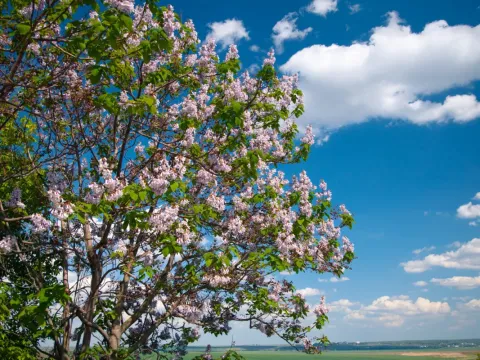
Paulownia
Paulownia
Planting of Paulownia saplings should take place in the spring once the risk of frost has passed and soil temperatures have reached at least 10–12°C. Late April or May is typically ideal for most temperate regions.
What the section contains


Paulownia
While seed propagation is possible, industrial plantations primarily utilize tissue-cultured saplings to ensure genetic uniformity and faster establishment of the root system.
Proper field preparation involves deep tilling and the installation of a drip irrigation system. Paulownia requires a reliable water supply during its first year to support its rapid growth rate.
The planting density depends on the final purpose, such as timber production or biomass cultivation. Usually, 500 to 800 trees per hectare are planted to ensure optimal space and light availability for each specimen.
After planting, the immediate focus should be on weed management and monitoring plant health. The rapid growth of Paulownia requires sufficient nutrients and absence of competition from weeds during the first months of development.
Paulownia belongs to the Paulowniaceae family. It is renowned for its exceptional growth speed, sometimes reaching maturity for harvesting in as little as 5 to 7 years under optimal conditions.
The tree requires well-drained, fertile soil with a neutral to slightly acidic pH level. It does not tolerate waterlogged soil, which can lead to root rot and stunted growth.
High levels of sunlight are mandatory for Paulownia. It is a light-demanding species; therefore, planting in shaded areas or high-density forests will drastically reduce its growth potential.
Climate adaptability is a critical factor. While it thrives in warm climates, many hybrid varieties have been developed to withstand winter temperatures as low as -20°C, provided the plants are dormant.
Soil nutrient management is essential for young plantations. Applying balanced fertilizers during the early stages of growth significantly enhances the development of the stem and the quality of the wood.
Paulownia is highly valued for its lightweight, strong, and stable timber, which is often called aluminum wood. It is widely used in furniture making, boat building, and musical instruments.
One of the unique features of Paulownia is its ability to resprout from the existing root system after the main stem is harvested. This allows for multiple rotations without the need for replanting.
In addition to timber, the plant offers significant benefits for beekeeping. Its large, nectar-rich flowers provide an excellent early-season food source for bees, resulting in high-quality honey.
The biomass from leaves and trimmings can be repurposed as high-protein animal feed or integrated into compost, supporting a circular economy within the plantation.
Yield metrics are largely determined by the specific hybrid variety and the management practices employed, with well-tended plantations providing consistent annual biomass returns.
Powdery mildew is the most common fungal disease, typically occurring during periods of high humidity or poor air circulation within the plantation canopy.
Root rot is a major threat caused by over-irrigation or planting in heavy, poorly drained soils. Monitoring soil moisture is a key preventive measure against this problem.
Pests such as caterpillars and leaf-eating insects can cause aesthetic and minor structural damage to young leaves, often necessitating integrated pest management approaches.
Wildlife such as rabbits or deer may damage young bark during winter. Protective measures like fencing or tree guards are essential to prevent girdling of the young trunks.
Regular monitoring of the trees is crucial for early detection of issues, allowing for prompt intervention before minor health problems become significant threats to the entire harvest.
The harvest period occurs in winter when the tree is dormant. Harvesting during the cold season ensures the wood has lower moisture content and higher quality, which is essential for commercial timber.
Technically, harvesting involves cutting the tree at a low height above the ground. This process triggers the roots to send up strong new shoots during the following spring, ensuring regrowth.
Logs must be sorted and stored properly to dry. Controlling the drying process prevents the wood from warping, cracking, or developing fungal stains while it waits for processing.
Efficient logistics are needed during the harvest period to transport the logs to processing facilities promptly, ensuring the raw material remains in optimal condition.
The harvest of Paulownia is often considered highly profitable compared to traditional forestry due to the rapid rotation cycle and the high market demand for its lightweight timber.