
Paulownia glabrata
Paulownia glabrata
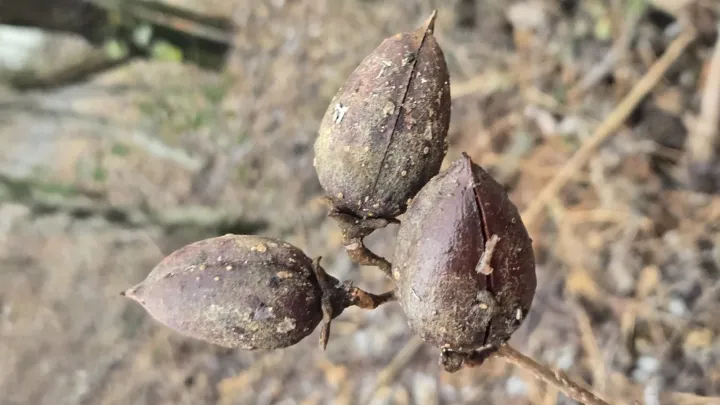
Description
Sowing dates
Paulownia glabrata is a unique, fast-growing tree belonging to the Paulowniaceae family. Native to East Asia, this species is highly valued for its rapid biomass accumulation. Propagation is typically achieved vegetatively using root cuttings or through tissue culture in laboratory settings, as seeds require specific environmental triggers for germination.
Transplanting seedlings into the field is best performed in spring, once the threat of late frosts has passed and soil temperatures have reached 12–15 degrees Celsius. May is generally the optimal window for planting. It is essential to follow a systematic planting layout to provide adequate spacing for the intense development of both root and canopy systems.
Successful establishment of the crop requires consistent irrigation during the first two years. In industrial plantation settings, monitoring light availability is crucial, as paulownia is a sun-loving species that performs poorly under the shade of other crops or dense canopy competition.
A key biological trait of Paulownia glabrata is its potential for forming a straight, branchless trunk when proper pruning techniques are applied. During the first year, energy is concentrated on root development, followed by a rapid vertical surge in the second year, with the primary shoot often reaching several meters in height.
The economic value of this crop is primarily defined by its timber, which is lightweight, durable, and possesses a high calorific value. Beyond industrial timber production, the tree is widely used in landscape design due to its large, lush leaves and attractive flowering, allowing for a harmonious blend of commercial production and environmental landscaping.
Growing requirements
The crop has specific requirements regarding soil texture. Paulownia glabrata performs best in loamy and sandy-loam soils with excellent aeration. Poorly drained, waterlogged soils must be avoided, as stagnant water leads to rapid root rot and overall failure of the plantation.
The optimal soil pH range for healthy growth is between 6.0 and 7.5. On highly acidic soils, the plant shows stunted growth; therefore, liming is recommended prior to planting to improve nutrient uptake efficiency and create a favorable soil chemical balance.
Temperature is a critical factor for successful production. Although Paulownia glabrata is relatively resilient, industrial-scale cultivation requires regions with long, warm summers and the absence of extreme, prolonged winter cold, which could damage the tissues of younger trees.
Fertilization is a fundamental aspect of agronomy. During the early vegetative stage, nitrogen-rich fertilizers are required to stimulate green mass accumulation. As the season progresses into the second half of summer, the focus shifts toward phosphorus and potassium fertilizers to aid wood hardening and prepare the tree for dormancy.
Protection from high winds during the early growth stages is vital. Young saplings are prone to mechanical damage and stem deformation from gusts, so installing individual supports during the first two years is highly recommended to ensure vertical growth and protect the root collar.
Yield
Yield for Paulownia glabrata is evaluated based on the rate of biomass increase and the quality of the harvested wood. With appropriate management and site selection, trees can reach industrial harvestable size within 7 to 10 years after planting.
The intense growth rate allows for significant timber volume per hectare. With diligent care, the annual diameter increase can reach several centimeters, making this crop a highly profitable long-term agricultural investment in suitable temperate and subtropical zones.
In addition to timber, paulownia plantations are highly regarded for their potential as honeybee foraging grounds. The large, nectar-rich flowers attract pollinators, providing an opportunity for additional revenue through the production of high-quality, fragrant honey.
Biomass for energy production (wood chips) can be harvested every 3 to 5 years. The plant's ability to coppice, or regenerate from the stump, allows for multiple harvests from the same root system, drastically reducing the costs associated with replanting after each harvest cycle.
Economic viability is directly tied to the irrigation strategy. Research confirms that timber yields are 30–40 percent higher on irrigated plantations compared to rain-fed systems, highlighting the importance of water management in maximizing the return on investment for commercial growers.
Main diseases and pests
The primary threats to young paulownia saplings include soil-borne pests such as white grubs (larvae of the May beetle). These pests damage the root system, causing significant growth retardation or death, necessitating pre-plant insecticidal soil treatment.
Fungal diseases induced by excessive humidity, including various types of leaf spots and rots, are common. To mitigate these risks, it is essential to maintain proper spacing between rows to ensure adequate airflow and avoid conditions conducive to the spread of pathogens.
Leaf-feeding pests, such as various caterpillars, can cause substantial damage to younger trees during the growing season. If infestations are detected, applying targeted biological agents or systemic insecticides is necessary to preserve the foliage and maintain growth momentum.
Temperature fluctuations and cold, drying winter winds can lead to frost cracks (sunscald) on the trunks. These damaged areas become entry points for secondary infections and wood-boring insects, making protective maintenance during the first few years a priority for plantation health.
Systematic monitoring of the plantation allows for early intervention against threats. Regular sanitary pruning and the removal of infected plant material prevent the further spread of disease and ensure that the growing wood remains clean, healthy, and of high commercial quality.
Harvesting
Harvesting paulownia timber is typically conducted during the dormant winter months when sap flow has ceased. This ensures the wood has a lower moisture content at the time of harvest, which significantly simplifies the drying process and downstream industrial processing.
Harvesting is performed using forestry machinery or chainsaws. After the main trunk is cut at a height of 10–15 centimeters above ground level, the remaining stump retains the vitality to regenerate a new shoot, starting a new growth cycle without the need for replanting.
Once felled, the timber requires immediate transport and primary processing. Depending on the target market, logs may be sawn into boards and beams or processed into wood chips for the pulp, paper, or renewable energy industries.
Efficient drying is a critical phase of the harvest process. Paulownia wood possesses a unique cellular structure that allows it to dry much faster than many other hardwood species, reducing energy costs in kiln-drying and accelerating the timeline to market.
Logistics planning is essential for a smooth harvest. The spacing between rows must be wide enough to accommodate heavy machinery, minimizing the risk of accidental damage to the root systems of surrounding trees and ensuring their productivity for future harvest rotations.