
Paulownia hybrids
Paulownia hybrids
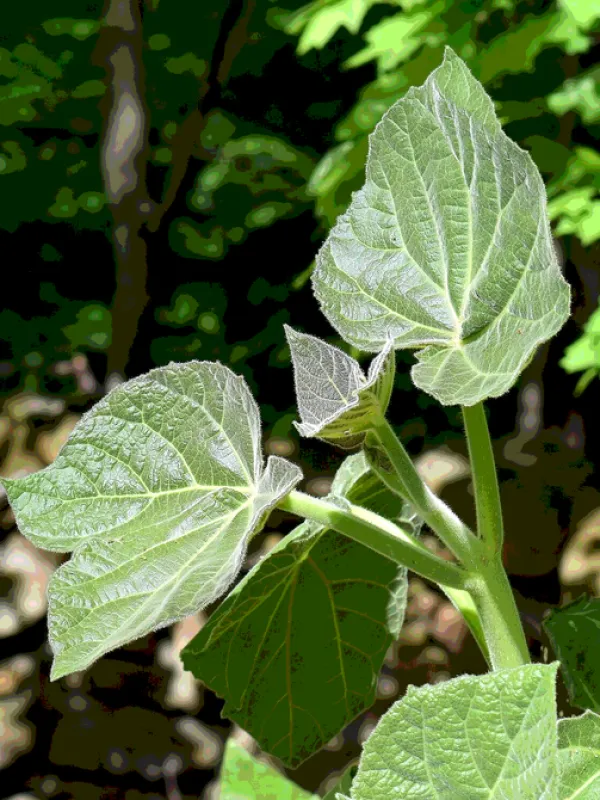
Description
Sowing dates
Planting Paulownia hybrids in the field is ideally performed in the spring, once the risk of frost has passed and soil temperatures have reached at least 12-15 degrees Celsius.
In regions with milder climates, late autumn planting is a possibility, though it requires extra care to protect young, dormant root systems from extreme winter conditions.
Preparation of planting holes should include the incorporation of organic amendments to ensure that the young trees have sufficient nutrient access during their rapid establishment phase.
The planting density is determined by the intended final product; for timber production, a spacing that allows for 500 to 1000 trees per hectare is standard industry practice.
The initiation of the growth cycle aligns with the lengthening days of late spring, which provides the necessary energy for the plants to establish a strong structural foundation.
Growing requirements
Paulownia hybrids, belonging to the Paulowniaceae family, are recognized as some of the most productive trees, known for their exceptional growth rates in optimized environments.
The trees require full sun exposure and protection from strong, persistent winds, which can easily damage the large, broad leaves and brittle juvenile branches.
Soils must be well-drained and light, such as sandy loams, with a pH range between 6.0 and 7.5 to support healthy root development and efficient nutrient uptake.
Water management is critical during the first two years of growth; deep irrigation is necessary to support the high evapotranspiration rates of the large foliage canopy.
While adaptable, the trees thrive best in regions where temperatures remain consistently between 20 and 30 degrees Celsius during the active growing season.
Yield
The yield of Paulownia is measured in volume of commercial-grade timber, which can typically be harvested within a 7 to 10-year cycle under optimal management.
A unique biological trait of these hybrids is their coppicing ability, allowing the stump to produce new, vigorous growth after the main trunk has been harvested.
The timber is highly valued for its lightweight, stable, and knot-free properties, making it an excellent choice for high-end furniture and musical instrument manufacturing.
Beyond timber, Paulownia plantations act as significant carbon sinks, playing a vital role in local environmental improvement and climate change mitigation strategies.
The biomass generated from the foliage can be utilized as a protein-rich feed supplement for livestock or as raw material for renewable energy production.
Main diseases and pests
Young plants are frequently targeted by leaf-eating insects, such as cutworms, which can significantly stunt tree development if infestations are not controlled promptly.
Fungal diseases, including powdery mildew and root rot, represent the primary phytosanitary threats, often exacerbated by poor drainage and excessive air humidity.
Waterlogged soil conditions are particularly dangerous, as they lead to root suffocation and provide an ideal environment for pathogenic fungi to thrive.
Integrated pest management, including regular field monitoring and the use of targeted biological or chemical treatments, is essential to maintaining plantation health.
In colder regions, frost damage to the main stem can occur, necessitating protective measures such as trunk wrapping or mulching during the first winter season.
Harvesting
Timber harvesting is best conducted during the tree's dormancy period to ensure lower sap content, which improves the durability and quality of the final wood product.
A technical cut should be made 10–15 centimeters above the ground to facilitate the emergence of a single, dominant shoot from the dormant buds on the stump.
Consistent pruning of lateral branches during the growing years is mandatory to ensure the production of clear, defect-free timber that meets market specifications.
Proper post-harvest drying is required, as the wood is prone to warping if the moisture content is not reduced in a controlled and uniform manner.
Mechanized harvesting equipment significantly reduces the time and labor required for large-scale operations, ensuring higher overall profitability for commercial growers.