
Parkia speciosa
Parkia speciosa
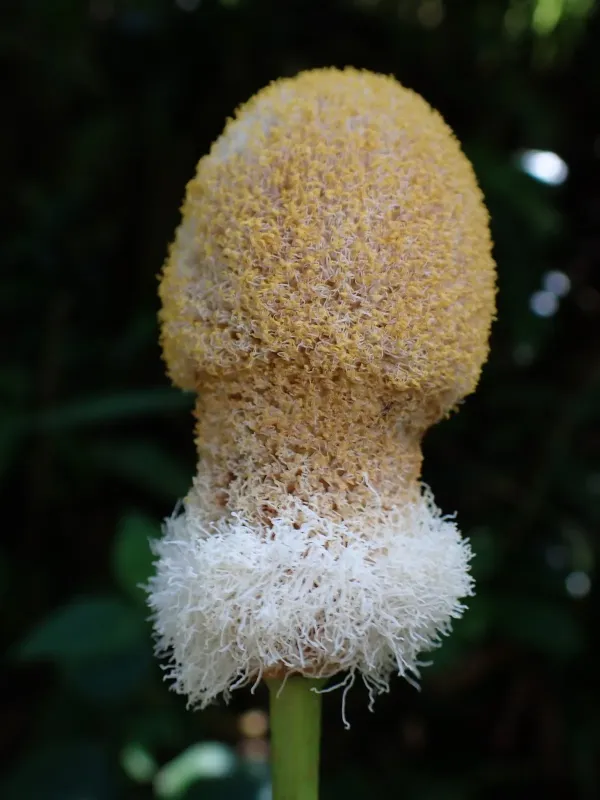
Description
Sowing dates
Parkia speciosa, often referred to as the stink bean or bitter bean, is a tropical perennial tree belonging to the Fabaceae family. Its propagation is primarily achieved through seeds harvested from mature pods.
For successful germination, seeds must be fresh, as they lose viability rapidly once removed from the pod. Soaking seeds in warm water for approximately 12–24 hours helps soften the hard coat and stimulates sprouting.
Seeds are typically sown in nursery beds or individual containers filled with well-draining, organic-rich soil. Constant moisture must be maintained, but excessive watering should be avoided to prevent fungal issues.
Seedlings are transplanted to their permanent location once they reach a height of 40–60 cm. During the initial growth phase, shading and regular watering are critical to ensure the plant establishes a strong root system.
In commercial orchards, trees should be spaced at least 8 to 10 meters apart. This spacing prevents overcrowding, allows for adequate canopy development, and facilitates easier harvesting later in the tree's life.
Growing requirements
Parkia speciosa thrives in humid, tropical climates. It requires consistent high temperatures throughout the year and does not tolerate frost or cold stress, which can lead to immediate growth decline.
The ideal soil for this species is deep, fertile, and well-drained loam. While the tree can tolerate various soil types, it is highly sensitive to waterlogging, which often leads to root rot.
A soil pH between 5.5 and 6.5 is optimal for nutrient uptake. The tree benefits from a generous application of organic mulch around the base to retain soil moisture and improve overall fertility.
High relative humidity is essential for the tree's physiological processes. In regions with distinct dry seasons, irrigation is mandatory to prevent the shedding of flowers and immature pods.
Wind protection is important, especially for younger trees. A site sheltered from strong prevailing winds helps prevent branch breakage and mechanical damage to the delicate flower spikes.
Yield
The time to first harvest typically ranges from 5 to 7 years for trees grown from seeds. Once a tree reaches maturity, it can be highly productive, bearing fruit for several decades.
A single healthy tree can produce hundreds of pods per season. Yield potential is influenced by tree age, crown density, and the level of agricultural management applied during the growing season.
The harvestable product consists of the seeds found inside the elongated, twisted pods. These seeds are a traditional staple in Southeast Asian cuisine, valued for their unique flavor and nutritional profile.
Yield consistency depends on favorable weather during the flowering period. Heavy rainfall or severe droughts at this stage can negatively impact pollination and overall fruit set.
Pruning the lower branches and thinning the crown in mature trees can enhance productivity by allowing more sunlight to reach the inner flowering parts of the tree.
Main diseases and pests
The most common threats to Parkia speciosa include lepidopteran larvae, which feed on the leaves, and various borers that attack the tree's stems and branches, weakening the structure.
Fungal pathogens such as Phytophthora are significant risks, particularly in poorly drained soils where root rot can spread rapidly throughout the orchard.
Powdery mildew and various leaf spot diseases can occur during periods of high humidity and poor ventilation. These conditions reduce photosynthetic efficiency and overall plant vigor.
Insects that target the inflorescences are especially problematic as they directly reduce the quantity of harvestable pods, potentially leading to severe crop loss in bad years.
Integrated pest management, including regular tree inspection, sanitary pruning, and the use of targeted biological controls, is the most effective way to manage these threats.
Harvesting
Harvesting is a labor-intensive process, typically performed manually. Workers use long poles or ladders to reach the pods located high in the canopy, ensuring minimal damage to the tree.
Pods are collected when they reach physiological maturity, indicated by a deep brown color and a distinct texture. Harvesting must be timed correctly to avoid pod dehiscence before collection.
Post-harvest management involves keeping the pods in cool, ventilated areas to maintain quality. The seeds inside are perishable and prone to darkening if exposed to high temperatures.
Proper sorting is necessary to remove damaged or diseased pods. Quality control at this stage ensures that only the best produce reaches the market, extending the shelf life of the seeds.
When transported, pods should be placed in breathable containers. Preventing moisture buildup is crucial to avoid microbial decay, which can ruin the specific flavor profiles of the seeds.