
Parkia bicolor
Parkia bicolor
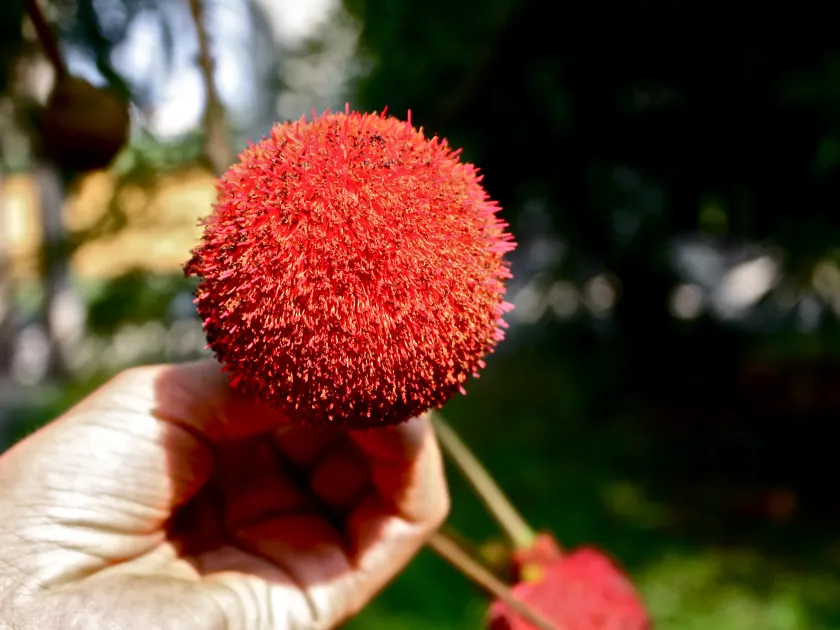
Description
Growing requirements
Parkia bicolor is a majestic tropical tree belonging to the Fabaceae family, specifically the Mimosoideae subfamily. It is recognized for its significant structural role in the African tropical rainforests, often serving as a canopy species.
The tree is native to the humid tropical zones of West and Central Africa. It thrives in regions characterized by high annual precipitation and constant temperatures, showing little tolerance for frost or prolonged cold spells.
Regarding soil requirements, Parkia bicolor prefers deep, well-drained, and nutrient-rich substrates. While it can adapt to various forest soils, it performs best in habitats that allow for extensive root development and effective moisture retention.
Agrotechnical management requires strategic placement of seedlings, with careful attention to spacing and initial shade protection. As a nitrogen-fixing species, it inherently improves soil fertility, making it a sustainable choice for mixed agroforestry setups.
The botanical architecture of the tree includes a wide, spreading crown, which helps regulate microclimates. This characteristic makes it highly effective for reforestation programs aimed at restoring degraded tropical forest areas.
Yield
Economically, Parkia bicolor is highly valued for its timber, which is utilized in local carpentry and construction. The wood is appreciated for its workability and light weight, provided it undergoes correct seasoning processes.
The plant's seeds and pods are utilized in local culinary practices. Through traditional fermentation, these parts are transformed into nutrient-dense food supplements, echoing the practices associated with its close relative, the locust bean tree.
Medicinal applications of the bark and leaves are well-documented in traditional healing systems. These extracts contain bioactive compounds that exhibit antimicrobial and anti-inflammatory properties, offering potential for pharmaceutical development.
As a nectar-producing tree, Parkia bicolor supports significant biodiversity, including various bat and insect species involved in pollination. This ecological synergy enhances the overall health of the agricultural landscape.
The sustainability of harvesting non-timber products from this species allows for long-term economic gains. By integrating the tree into farm systems, producers can achieve a stable income stream while simultaneously protecting local ecosystem services.
Main diseases and pests
Primary threats to Parkia bicolor include various seed-boring beetles that can drastically impact natural regeneration rates. Integrated pest management strategies, focusing on early harvest and storage hygiene, are essential to mitigate these losses.
Fungal pathogens associated with high humidity represent another risk factor. To combat these, it is critical to maintain optimal plant density and ensure sufficient air circulation through the canopy to prevent the formation of moist infection sites.
Environmental stress, particularly extended droughts caused by shifting weather patterns, can weaken trees and increase their susceptibility to opportunistic pests. Soil management techniques, such as mulching, can help retain moisture during dry periods.
Anthropogenic pressure, specifically deforestation, remains the most significant threat to wild populations. Promoting Parkia bicolor in agroforestry initiatives serves as a strategic conservation tool to maintain species presence outside of protected forest reserves.
Effective forest health monitoring is required to identify early signs of pathogen stress. Quick intervention, combined with organic control methods, proves more efficient and environmentally friendly than chemical treatments in tropical settings.