
Parkia singularis
Parkia singularis
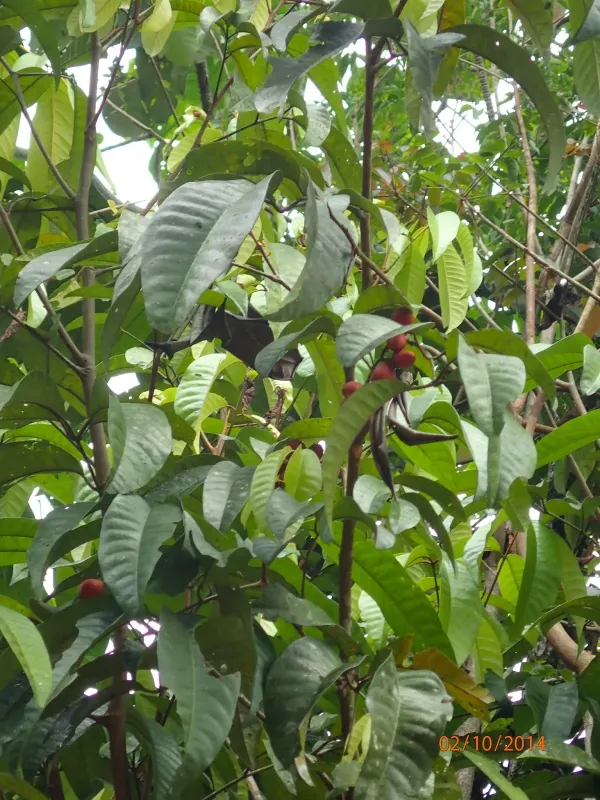
Description
Growing requirements
Parkia singularis is a notable species within the Fabaceae family, originating from the humid tropical regions of South America. It typically grows as a large tree in the canopy of rainforests, playing a significant role in the local ecological balance.
The climate requirements for this species are strictly tropical, necessitating consistent temperatures between 22°C and 30°C. It is highly sensitive to cold stress, making it unsuitable for regions with potential frost or significant seasonal temperature drops.
Soil quality is paramount for the healthy establishment of the plant. Deep, fertile soils with high organic matter content are preferred. The substrate must ensure excellent drainage, as waterlogging in the root zone can lead to severe fungal infections and plant decline.
Water management involves maintaining high levels of soil moisture throughout the year. While the adult tree can withstand short periods of reduced rainfall, constant water access is vital for optimal development, especially during the flowering and fruiting stages.
In a nursery setting, light intensity must be carefully controlled. Young trees thrive in semi-shaded conditions, mimicking their natural environment under a canopy. Transitioning to full sunlight should be performed gradually as the tree matures to avoid physiological stress.
Yield
The agricultural utility of Parkia singularis is largely tied to agroforestry practices. Its ability to fix nitrogen in the soil provides significant fertility benefits for companion crops, making it a valuable asset for sustainable tropical farming systems.
The fruit of this species contains seeds that serve as a source of nutrition. Following traditional processing techniques to reduce anti-nutritional factors, the seeds provide a dense source of plant-based protein for both human consumption and livestock feed.
Wood production is another economic aspect of the species. The timber is used for light construction and interior cabinetry, provided the wood is properly treated to enhance its durability against humidity and insect attacks.
Yield stability is achieved through consistent silvicultural management, including thinning and nutrient supplementation. Well-tended trees produce predictable harvests that contribute to local food and material security.
Current research emphasizes the potential for selecting high-yielding varieties within this species. Optimizing the harvest cycle and implementing sustainable agro-techniques remains the primary objective for commercial growers in the region.