
Pandanus utilis
Pandanus utilis
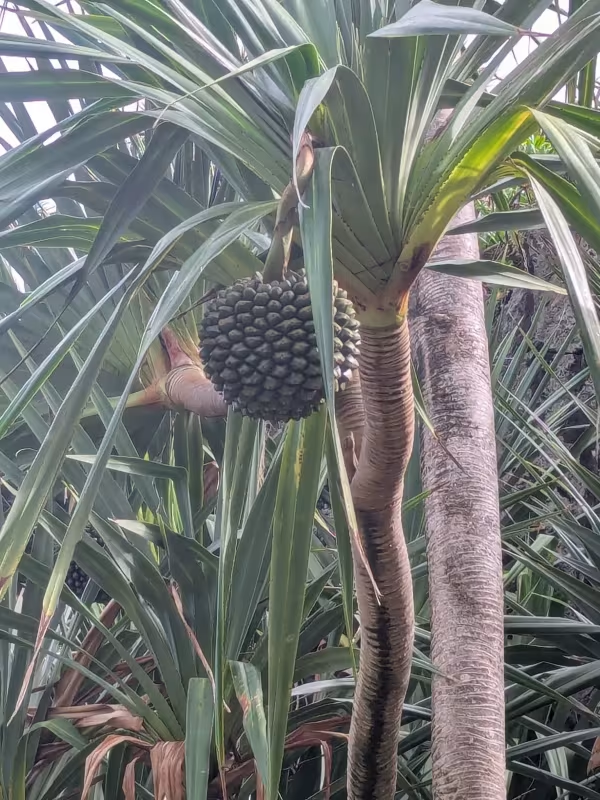
Description
Growing requirements
Pandanus utilis, commonly known as the common screwpine, is a member of the Pandanaceae family. It is a distinctive tropical tree recognized by its prop roots and spirally arranged, long, fibrous leaves.
This species thrives in tropical climates characterized by high humidity and consistent temperatures. It does not tolerate frost and prefers regions where the temperature remains above 15°C throughout the year.
The cultivation requires well-draining, nutrient-rich soil. It is well-adapted to coastal areas, showing a degree of salt tolerance, provided that the soil structure allows for adequate aeration of the roots.
Sunlight requirements are significant; the plant needs bright, indirect light to maintain its structural integrity and leaf color. Inadequate light results in weak, stretched growth patterns.
Maintaining a steady moisture level in the soil is crucial for juvenile plants, though established specimens show resilience to short periods of dry conditions if the atmosphere remains humid.
Yield
The primary economic output of Pandanus utilis is its leaves, which are harvested for fiber extraction. This fiber is highly durable and flexible, making it ideal for various handicraft and utility purposes.
The processed leaves are traditionally used for weaving mats, baskets, hats, and other domestic goods. Its resistance to decay makes it a preferred material in humid tropical climates.
Harvesting is typically done manually, selecting mature, healthy leaves from the lower part of the crown to ensure the continued development of the plant.
With proper management, a plantation can provide a sustainable harvest for many years. The yield is directly influenced by the availability of nutrients and the age of the tree stands.
Aside from fibers, certain parts of the tree may be utilized for ornamental purposes or local medicinal practices, providing secondary value to the farm.
Main diseases and pests
The most significant threats to Pandanus utilis include fungal root rot, often caused by excessive irrigation or lack of soil drainage in clay-heavy substrates.
Common pests include spider mites, which thrive in low-humidity environments, and various scale insects that feed on the sap, leading to leaf deformity and fiber degradation.
Mealybugs can also infest the tight junctions where leaves emerge from the trunk, making manual control difficult and necessitating systemic treatment.
Good agricultural practices, such as ensuring proper spacing between plants to facilitate airflow, serve as the primary defense against most infestations.
Monitoring for discoloration or stunted growth is essential for early intervention, ensuring that the harvested leaf quality remains high for commercial use.