
Pandanus chiliocarpus
Pandanus chiliocarpus
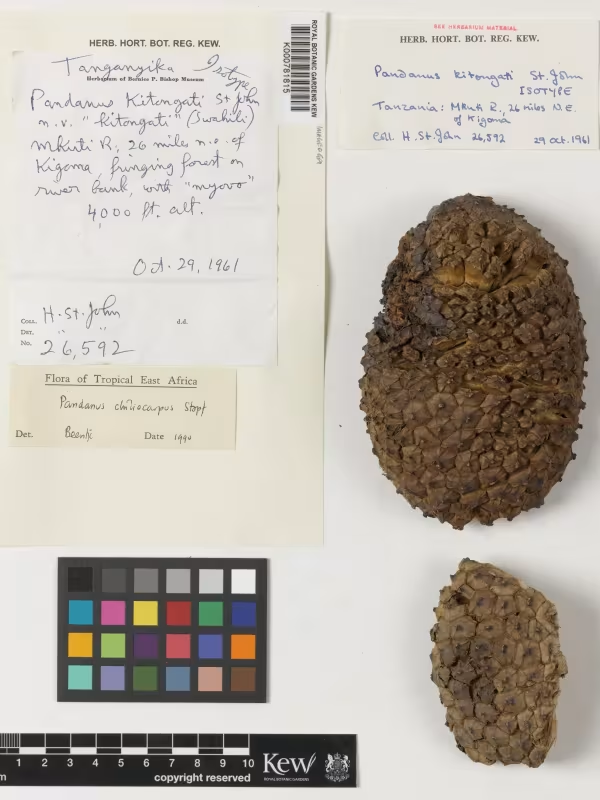
Description
Sowing dates
Propagation of Pandanus chiliocarpus can be achieved through seeds, although vegetative propagation is preferred for maintaining uniform quality in commercial plantations. Seeds require high temperature and humidity to break dormancy and germinate successfully.
When starting from seeds, use a well-draining, nutrient-rich substrate. Consistent moisture is vital, but avoid waterlogging, which is a common cause of seedling mortality in tropical species.
Cuttings are the most effective method for rapid establishment. Select healthy side shoots during the active growth period, treating the base with rooting hormones to accelerate the process.
Once rooted, the plants should be moved to a nursery setting where environmental conditions are carefully monitored. Providing adequate space between containers prevents fungal growth and encourages sturdy development.
Planting in the field occurs when the plants reach a height of at least 30-40 cm. Spacing depends on the expected canopy width to ensure maximum exposure to sunlight and efficient air circulation between rows.
Growing requirements
As a member of the Pandanaceae family, this species thrives in tropical environments. It requires a stable climate with high ambient humidity and temperatures that do not fluctuate significantly throughout the year.
Adequate sunlight is essential for the production of high-quality fiber and robust leaf structure. While young plants may tolerate partial shade, mature specimens perform best under full sun exposure.
Soil requirements focus on good drainage and pH neutrality. The plant does not tolerate waterlogged, heavy clay soils which can easily lead to root rot; sandy or loamy soils with organic amendments are ideal.
Regular irrigation is necessary to support the plant's high water demand, especially in areas with distinct dry seasons. Implementing drip irrigation systems is highly recommended for efficient water management.
Nutrient management is critical for optimal growth rates. Application of nitrogen-rich fertilizers during the active growing season will boost biomass production significantly.
Yield
The primary economic output of Pandanus chiliocarpus is its foliage, which provides valuable fibers for textile industries. Yields are maximized by maintaining a healthy, dense canopy of leaves and ensuring regular plant growth.
Secondary products include fruits, which have local food and fodder applications. The plant reaches its peak productive stage after several years of growth, depending on climatic conditions and fertilization.
Proper harvest management, including the removal of older or damaged leaves, helps reallocate plant resources to new growth. This practice is essential for maintaining the continuous production of high-quality fiber.
Yield stability is heavily influenced by the prevention of pest outbreaks and proper irrigation timing. With integrated agronomic practices, producers can expect a substantial increase in output over time.
Post-harvest handling is just as important as cultivation to ensure the quality of the fiber. Timely processing after harvesting the leaves preserves the tensile strength and color of the final product.
Main diseases and pests
Root rot is the most serious threat, typically resulting from poor soil drainage or excessive irrigation. It can lead to the sudden collapse of mature plants if left unmanaged.
Spider mites and mealybugs are common pests that target the leaves, particularly during periods of high heat and low relative humidity. They drain plant juices, leading to chlorosis and stunted growth.
Leaf spot diseases often occur when air circulation is limited, leading to high humidity pockets. Maintaining proper plant spacing is the best preventative measure against such outbreaks.
Effective pest control involves a combination of mechanical removal, biological controls, and careful monitoring. Avoiding excessive chemical treatments helps maintain the ecological balance on the plantation.
Routine scouting is vital to detect early signs of infestation or disease. By isolating affected plants early, farmers can prevent the spread of threats across the entire crop area.