
Pandanus cookii
Pandanus cookii
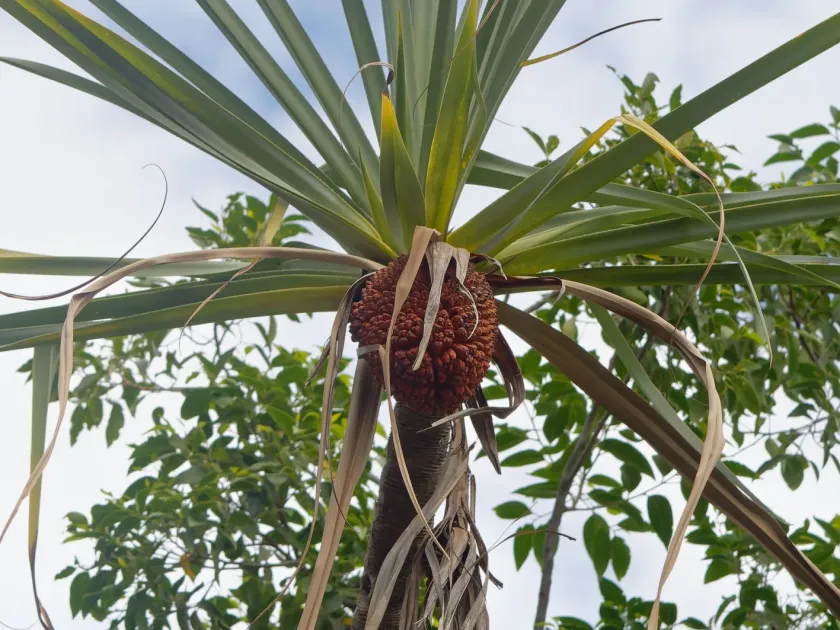
Description
Growing requirements
Pandanus cookii is a remarkable evergreen, tree-like plant belonging to the Pandanaceae family. Native to tropical regions of Australia, this species thrives in environments characterized by high humidity and consistent warmth, making it a distinctive element of the local flora.
The botanical structure of this plant is unique, featuring a robust trunk often supported by aerial stilt roots. The foliage consists of long, linear, and spiny-edged leaves arranged in a spiral pattern at the apex, which is a signature characteristic of the genus Pandanus.
Regarding climatic requirements, the plant demands tropical conditions with temperatures staying above 20 degrees Celsius year-round. It is highly intolerant of frost, which poses a significant challenge for cultivation in regions outside the tropical zone without protected greenhouse environments.
For soil management, it is essential to provide well-draining, nutrient-rich soil that mimics the forest floor. The root system is sensitive to waterlogging, so ensuring effective drainage is paramount for long-term health and development of the plant.
Standard cultivation involves maintaining consistent soil moisture and high atmospheric humidity. In artificial environments, light management is critical; while it prefers bright conditions, excessive direct sunlight can occasionally cause leaf stress if humidity levels are not sufficiently high.
Harvesting
Historically and economically, the leaves of Pandanus cookii are highly valued for their tough fibers. These fibers are traditionally harvested and processed for the production of various artisanal goods, such as mats, baskets, and traditional weaving products used by indigenous communities.