
Pandanus dubius
Pandanus dubius
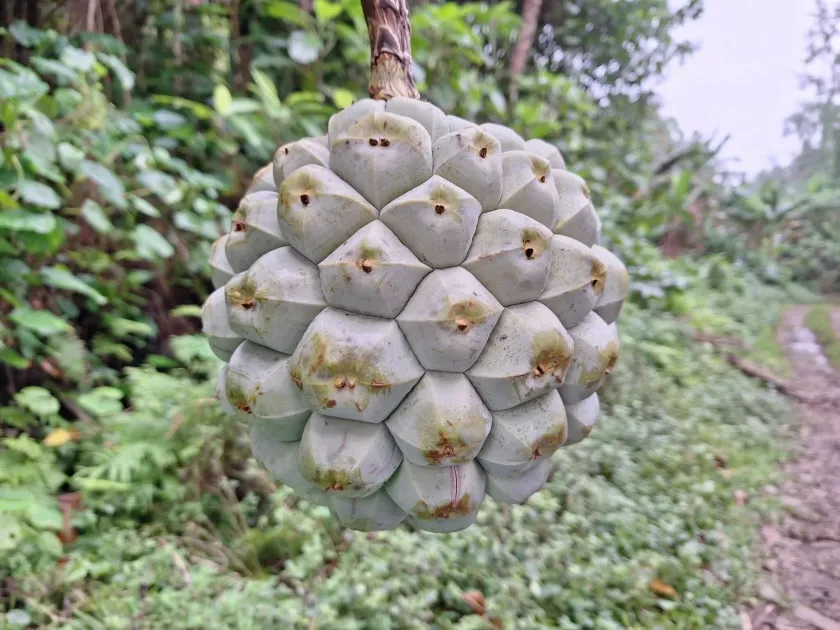
Description
Growing requirements
Pandanus dubius, belonging to the Pandanaceae family, is a significant tropical plant species native to the Pacific Islands and Southeast Asia. It thrives in humid, lowland environments, often dominating coastal regions where it forms dense, resilient thickets capable of stabilizing sandy soils.
The climate requirements for this species are strictly tropical, necessitating high year-round temperatures and consistent moisture. It cannot survive in climates where temperatures drop significantly, as it lacks cold-hardiness mechanisms, making its cultivation restricted to equatorial zones.
Optimal soil conditions include well-drained, nutrient-rich substrates, though the plant shows remarkable adaptability to the sandy, saline soils typical of coastal habitats. It requires access to consistent ground moisture to support its rapid growth and large leaf development.
Regarding cultivation techniques, providing adequate spacing between plants is essential for ensuring sufficient air circulation, which prevents the development of fungal pathogens. Full sun exposure is preferred to maximize the plant's structural development and fruit production capacity.
Botanically, it is recognized by its stout, prop-root system that anchors the plant firmly in shifting coastal soils. Its leaves are long, leathery, and serrated along the margins, spirally arranged, serving as an effective architectural feature for environmental adaptation.
Yield
The primary agricultural output of Pandanus dubius is its large, segmented, edible syncarp. These fruits serve as a dietary staple in many island communities, providing essential caloric intake, particularly during specific seasons when other crops may be less available.
The foliage is highly valued in local economies for its robust fibers, which are processed to create high-quality mats, baskets, and thatched roofing materials. This dual-purpose utility makes it an important plant for subsistence-based agriculture in tropical regions.
Harvesting usually involves manual extraction of mature syncarps. Farmers monitor the fruit for changes in pigmentation and texture, signaling peak starch content and suitability for processing or direct consumption after boiling or roasting.
Though not currently a major global commodity, there is potential for exploring its fibrous leaf material in the handicraft and sustainable packaging industries. Its resilience to pests and environmental stressors makes it an attractive candidate for low-input tropical farming.
Sustainable management involves selecting productive cultivars that yield high-quality fruit and long, supple leaves for weaving, ensuring long-term profitability and food security for the communities that rely on this species.
Main diseases and pests
Fungal infections, particularly root rot and leaf blight, pose the most significant threat to Pandanus dubius, especially in poorly drained soils. Excess humidity without proper airflow creates an ideal environment for these pathogens to propagate rapidly.
Pest management focuses on controlling sucking insects, such as scale insects and mealybugs, which settle in the leaf axils and stems. These pests can significantly weaken young plants and reduce overall plant vigor if left unchecked by natural predators.
Good cultural practices, such as site sanitation and removing diseased tissue, are the primary defenses against disease spread. Avoiding over-fertilization with nitrogen can also prevent the development of soft, succulent growth that is more susceptible to insect attack.
Long-term health is maintained by ensuring that the prop roots remain clear of stagnant water and debris. Monitoring the health of the central apical meristem is crucial, as any damage to this area can halt the plant's vertical growth entirely.
- Ensure proper site drainage to prevent root rot.
- Practice regular canopy thinning for better air circulation.
- Use biological control agents to manage scale insects.
- Conduct routine site inspections for early signs of pathogen activity.