
Pandanus julianettii
Pandanus julianettii
Description
Sowing dates
Propagation of Pandanus julianettii is primarily achieved through vegetative means, specifically by using suckers or offsets that sprout from the base of the mature tree.
Planting is optimally timed at the beginning of the rainy season to ensure that young seedlings receive sufficient soil moisture to establish a robust root system.
For establishing new plantations, farmers select sites with well-drained loamy soils, as the species is sensitive to waterlogged conditions that can cause root decay.
Standard spacing for commercial cultivation is typically set between 5 to 7 meters between trees to allow for adequate canopy development and sunlight penetration.
Young plants require vigilant maintenance, particularly weed control, during their first few years, as their initial growth rate is relatively slow compared to other tropical crops.
Growing requirements
Pandanus julianettii, a member of the Pandanaceae family, is a critically important food crop cultivated primarily in the highlands of Papua New Guinea.
The plant thrives in high-altitude tropical environments, typically ranging from 1500 to 2500 meters above sea level, where temperatures remain cool and stable.
High relative humidity and consistent annual rainfall are essential for the healthy physiological development of the trees and the maturation of their massive fruit clusters.
The ideal soil profile is deep, fertile, and rich in organic matter, supporting the tree's heavy nutrient demands during its long productive lifespan.
While the tree is relatively hardy, applying compost or organic mulching around the base can significantly boost growth rates and overall nut production.
Yield
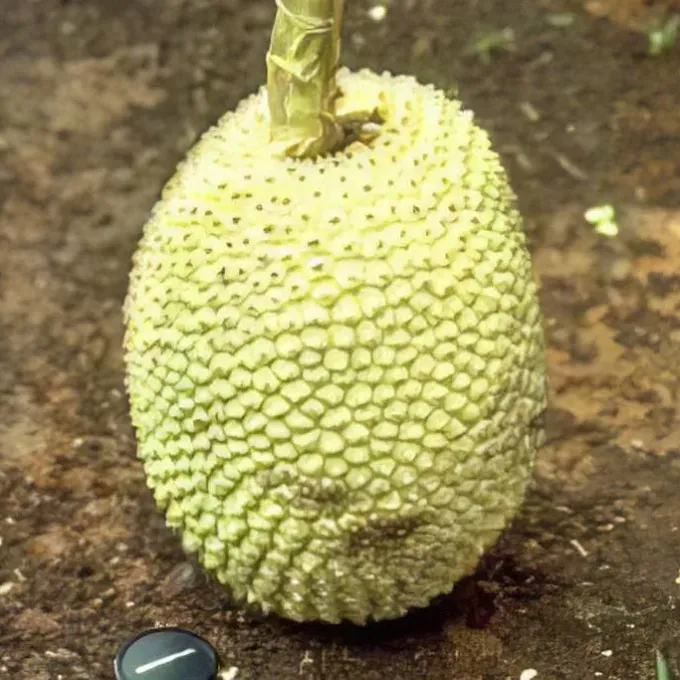
The fruit of Pandanus julianettii is a large, woody syncarp containing numerous individual kernels, which serve as a calorie-dense food source for highland populations.
Mature, healthy trees can yield between 50 and 100 kilograms of edible nut mass annually once they reach the peak of their productive phase.
The tree typically begins producing harvestable fruit after 10 to 15 years and remains highly productive for several decades, making it a long-term agricultural investment.
Harvesting is a manual, labor-intensive task, often requiring the use of climbing techniques or long poles to reach the heavy fruit clusters safely.
The nuts are highly nutritious, providing a significant supply of protein and healthy fats, and are consumed both fresh and processed for long-term storage.
Main diseases and pests
Major botanical threats include leaf spot diseases, which are exacerbated by persistent moisture and lack of air circulation within the dense foliage of the canopy.
Pest pressures include various scales and coleopterans that can weaken the plant by feeding on tender shoots or boring into the developing fruit segments.
Root rot, often associated with poor drainage, remains one of the most serious silent killers for P. julianettii, necessitating careful site selection and soil management.
Environmental stress, such as extreme drought or high-wind events, can lead to premature fruit drop, which significantly impacts the annual economic output of the plantation.
Integrated pest management, including regular sanitation pruning to improve ventilation, is the recommended strategy for maintaining plantation health and yield.
Harvesting
Harvest timing is critical and is signaled by subtle changes in the texture and color of the fruit segments, accompanied by an increase in the aromatic profile of the syncarp.
Care must be taken during harvesting to avoid damaging the tree's growing points, as these structures are vital for future fruit development cycles.
Post-harvest, the syncarps are dismantled into individual kernels, which are then cleaned and prepared for either immediate consumption or preservation methods.
Traditional preservation techniques, such as drying in the sun or slow-smoking over a fire, are employed to extend the shelf life of the nuts for several months.
Efficient handling during the harvest phase is essential to ensure minimal bruising of the kernels, which preserves the quality and market value of the crop.