
Bonin screw pine
Pandanus boninensis
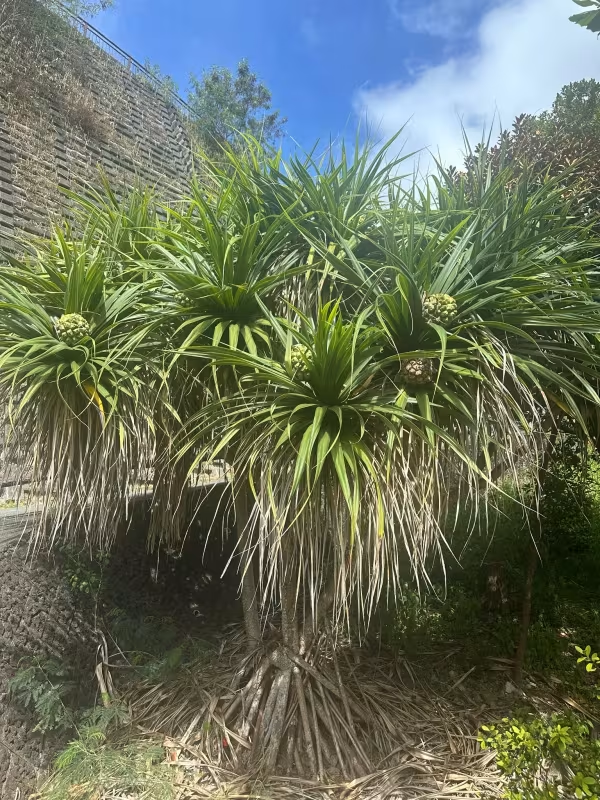
Description
Growing requirements
Bonin screw pine (Pandanus boninensis) is a distinctive member of the Pandanaceae family, renowned for its architectural structure and robust, aerial stilt roots that stabilize the plant in coastal environments.
Native to the Bonin Islands (Ogasawara) in Japan, this plant is strictly tropical in its requirements. Successful cultivation depends on maintaining high ambient temperatures and avoiding any exposure to freezing conditions which can damage its vascular system.
The plant thrives in well-draining, nutrient-rich soils that mimic its natural volcanic or sandy coastal habitats. Soil aeration is paramount; compacted substrates should be avoided to prevent root suffocation and subsequent decay.
For optimal growth, Pandanus boninensis requires bright, filtered light. While it is adaptable to various light conditions, excessive shade leads to etiolation, while direct intense sunlight in arid climates can induce leaf scorch.
Cultural management includes consistent irrigation during the peak growing season, ensuring that the soil moisture remains stable. High humidity levels are generally beneficial for maintaining the integrity and vibrant green color of its foliage.
Main diseases and pests
Common pests affecting Bonin screw pine include mealybugs and spider mites, which typically target the succulent areas within the leaf axils where they can feed undisturbed.
Root rot represents the most significant phytosanitary threat, usually caused by over-irrigation or poorly draining soil. To mitigate this risk, specialized nursery practices emphasize allowing the top layer of substrate to dry out between watering sessions.
Leaf spot diseases, often fungal in origin, thrive in environments with stagnant air and excessive surface moisture. Providing proper ventilation and spacing between individual plants is essential for maintaining a healthy crop.
Nutrient deficiencies, specifically magnesium and iron, can manifest as interveinal chlorosis. Regular monitoring and balanced fertilization with micronutrients are necessary to ensure the plant maintains its structural vitality.
Scale insects are frequent pests that attach themselves to the stems and base of leaves. Integrated pest management strategies, such as physical removal combined with selective horticultural oils, are effective for maintaining plant health.