
Pandanus tectorius
Pandanus tectorius
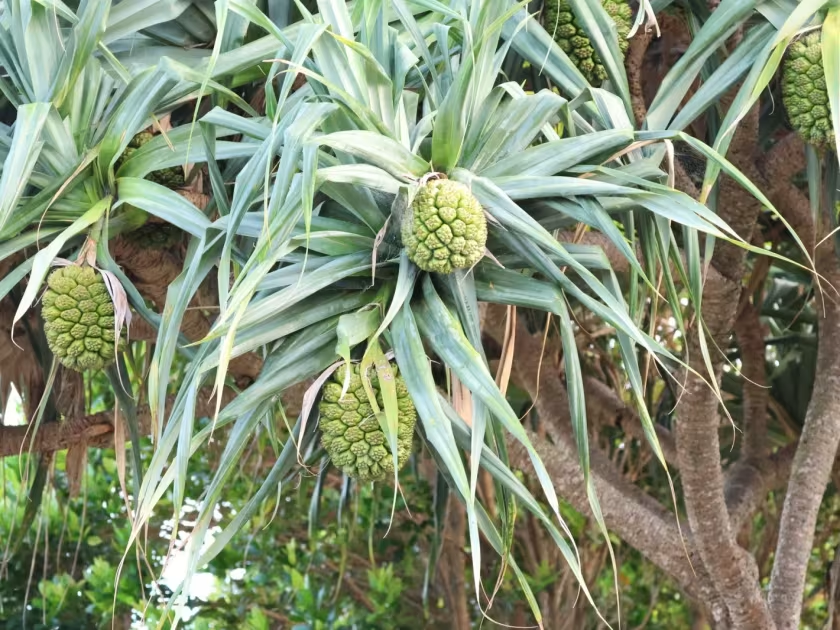
Description
Growing requirements
Pandanus tectorius, commonly known as screw pine, is a versatile evergreen tree belonging to the Pandanaceae family. It is widely distributed across tropical coastal regions, where it thrives in salty, sandy, and sometimes rocky soil conditions that would be hostile to many other plant species.
The plant demands high levels of solar radiation for optimal development. It is strictly a tropical species, requiring ambient temperatures consistently above 22 degrees Celsius. It exhibits high tolerance to strong winds and salt spray, making it a critical pioneer species in coastal buffer zones.
Regarding soil, Pandanus tectorius is not particularly demanding, but it prefers well-drained substrates. Its most distinct botanical feature is the presence of prop roots, which extend from the stem to the ground, providing physical stability against storms and enhancing nutrient uptake.
Adequate water availability is essential for vigorous growth, especially in the early stages of establishment. While it tolerates a variety of tropical soils, waterlogging must be avoided to prevent root rot, which is the primary limitation for its cultivation in poorly drained areas.
Agrotechnical practices involve careful site selection to maximize sun exposure. In managed groves, spacing is crucial to ensure adequate airflow, which prevents the buildup of humidity around the leaf bases, thereby reducing the incidence of pest infestations and fungal growth.
Yield
Pandanus tectorius is highly valued for its multi-purpose utility. The fruit, consisting of numerous segments, contains an edible pulp that serves as a vital food source in many Pacific Island cultures, providing essential energy and micronutrients for local populations.
The leaves are arguably the most economically significant part of the plant. After being harvested and processed—a task involving boiling, sun-drying, and bleaching—the leaves yield durable, flexible fibers used for weaving mats, baskets, sails, and even traditional clothing.
Medicinal applications of the plant are widespread. Various parts of the tree, including the roots and flowers, are utilized in traditional pharmacology for their antiseptic and anti-inflammatory properties, reflecting the deep integration of this plant into indigenous healthcare systems.
Harvesting is typically done manually, with fruit collection synchronized with the stages of ripeness. Leaves are harvested by cutting mature outer fronds, which allows the plant to continue producing new growth from the central apical meristem indefinitely.
The crop offers a stable economic foundation for small-scale coastal agriculture. Its low input requirements, combined with the high value of finished woven goods, make Pandanus tectorius an essential resource for sustainable development and traditional craft preservation.
Main diseases and pests
The plant is susceptible to several pests, most notably mealybugs and scale insects. These organisms cluster on the underside of leaves and near the growing point, extracting sap and weakening the plant, which may reduce the quality of the harvested fiber.
Fungal pathogens represent the most significant threat to the overall vitality of the grove, particularly in areas with stagnant water or high humidity. Symptoms often include discoloration of the leaves and decay of the crown, which can quickly lead to total plant failure.
To mitigate these threats, integrated pest management is recommended. This includes the removal of infested plant material and the promotion of natural predators that keep pest populations in check without the need for synthetic chemicals that could damage the fiber.
Proper sanitation, including the removal of dead leaves at the base of the tree, is essential to deny pests and fungi a hiding place. Maintaining healthy, well-ventilated groves significantly enhances the plant's natural resistance to most common diseases.
For large-scale agricultural planning, regular scouting for early indicators of distress is mandatory. Early detection of leaf yellowing or spotting allows for targeted interventions that preserve the plant's structural integrity and ensure long-term productivity.