
Purple Pandanus
Pandanus purpurascens
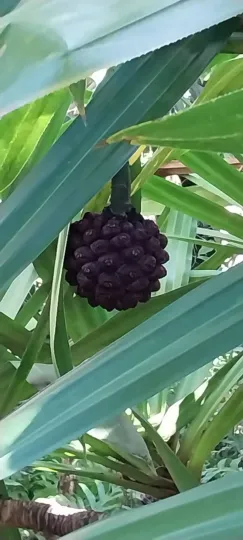
Description
Growing requirements
The Purple Pandanus (Pandanus purpurascens) is a perennial tropical plant belonging to the Pandanaceae family. Originally native to humid tropical regions, it thrives in warm, stable climates where high atmospheric humidity is maintained throughout the year.
For optimal development, this crop requires bright, indirect sunlight, as direct exposure can scorch its leathery leaves. The ideal temperature for active cultivation is between +22°C and +28°C, and the plant should be protected from sudden cold drafts or freezing temperatures.
Soil requirements involve well-drained, nutrient-rich substrates that allow for proper gas exchange at the root level. A balanced mixture of peat, loam, and coarse sand or perlite is recommended to prevent waterlogging, which is a major physiological stressor for this species.
Cultivation practices include consistent watering using soft, room-temperature water. During the active growing season, application of balanced liquid fertilizers, rich in trace elements, is essential to sustain the plant's robust growth and leaf coloration.
Botanically, Pandanus purpurascens is recognized by its spiral leaf arrangement and long, pointed foliage that often features distinct purple hues under specific light conditions. It is mainly utilized in the ornamental plant trade and greenhouse production for its exotic aesthetic value.
Main diseases and pests
The primary pests affecting Purple Pandanus include spider mites and mealybugs, which tend to proliferate in dry indoor environments. Integrated pest management, involving regular inspection and targeted miticides, is necessary for maintaining healthy crop stands.
Pathogenic threats are usually centered on fungal infections such as root rot or leaf spot, often exacerbated by poor drainage and stagnant air. Keeping the cultivation environment clean and ensuring proper ventilation are the best preventive measures for sustainable crop management.