
Penang pandanus
Pandanus penangensis
Description
Growing requirements
The Penang pandanus (Pandanus penangensis) belongs to the Pandanaceae family. This species is native to the tropical forests of the Malay Peninsula, specifically localized around Penang, thriving in warm, humid microclimates.
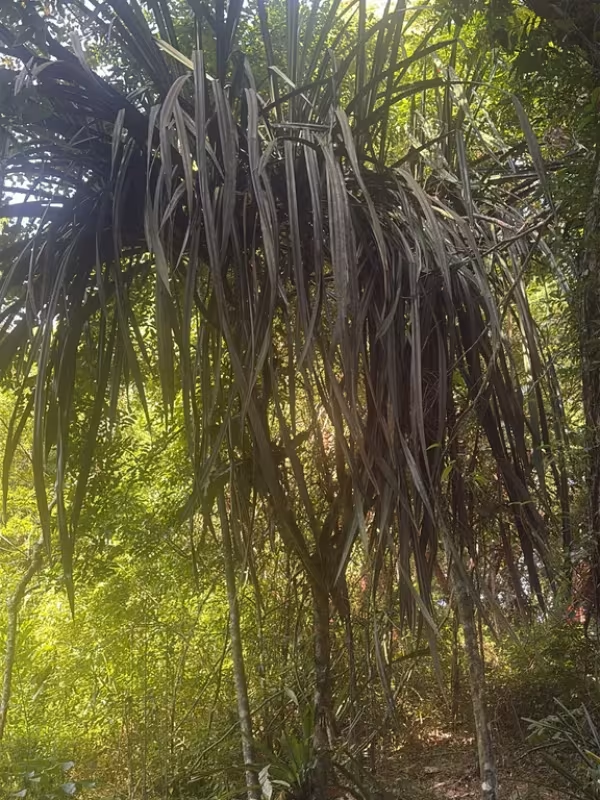
This plant is characterized by a shrub-like or small tree habit, featuring spirally arranged, long, sword-shaped leaves with serrated margins. A defining botanical trait is the presence of prop roots, which emerge from the stem to provide physical stability.
Cultivation requires a tropical climate with consistent temperatures between 22°C and 30°C. The plant cannot withstand freezing conditions, as low temperatures cause significant physiological stress and can lead to plant mortality.
The ideal growing medium is a nutrient-rich, well-draining soil. It is crucial to maintain a slightly acidic to neutral pH balance to optimize nutrient uptake and prevent the development of root disorders caused by waterlogging.
High relative humidity is essential for the healthy development of this species. In cultivation, it is often necessary to provide consistent irrigation while ensuring that the root system remains well-oxygenated through high porosity in the soil structure.
Main diseases and pests
Fungal pathogens such as Phytophthora are the primary threats to the Penang pandanus, typically affecting the root system when soil moisture levels exceed the plant's requirements for transpiration.
Pests such as spider mites and mealybugs are frequently encountered in indoor or greenhouse cultivation. They colonize the foliage, extracting sap and causing chlorosis, which significantly reduces the photosynthetic capacity of the leaves.
Leaf spot diseases, caused by various fungal or bacterial agents, can occur in poorly ventilated environments. These infections manifest as localized necrosis, which can spread rapidly if humidity levels remain stagnant.
Integrated pest management, including the use of horticultural oils and appropriate fungicides, is the recommended strategy for maintaining the health of the specimens against typical infestations.
Cultural control remains the most effective preventive measure. This includes maintaining adequate space between plants to ensure airflow, proper monitoring of soil moisture, and periodic cleaning of leaf surfaces to remove debris and pests.