
Pandanus ornatus
Pandanus ornatus
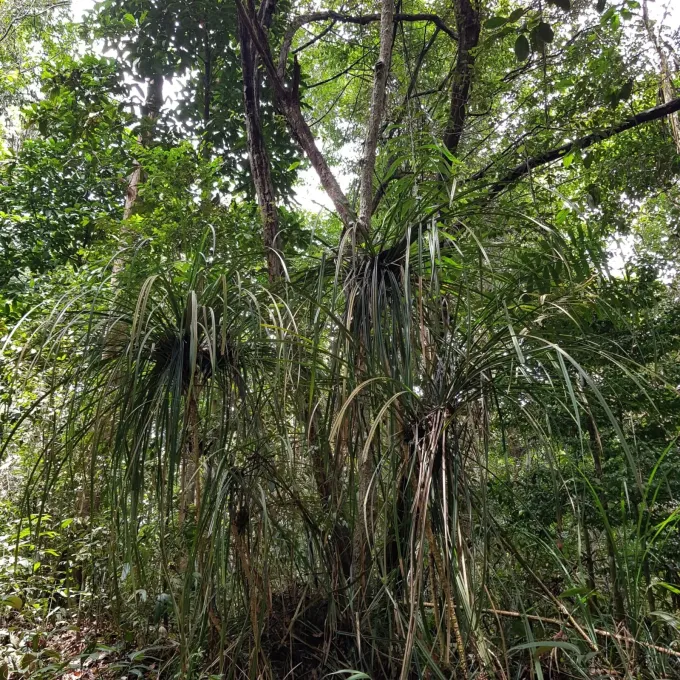
Description
Growing requirements
Pandanus ornatus is a remarkable tropical plant belonging to the Pandanaceae family. It originates from the humid rainforests and coastal areas of Southeast Asia, thriving in stable, warm climates with consistent moisture levels.
Botanically, it is known for its spirally arranged, long, sword-like leaves and its tendency to develop adventitious roots, which help stabilize the plant. In agricultural terms, it is treated as a premium ornamental foliage crop suited for greenhouse and interior environments.
The plant requires high ambient temperatures to flourish, ideally ranging between 20°C and 28°C. It is extremely sensitive to cold drafts and temperatures dipping below 15°C, which can lead to permanent damage to its physiological structure.
Cultivation requires a well-draining, nutrient-rich potting medium. The soil should be slightly acidic to neutral. Consistent moisture is vital, but the plant requires a robust drainage system to prevent waterlogging, which often leads to root rot.
Regarding light, Pandanus ornatus prefers bright, indirect sunlight. While it can withstand partial shade, consistent exposure to direct, harsh midday sun can lead to leaf scorch and dehydration of the fibrous leaf margins.
Main diseases and pests
Scale insects are among the most common pests affecting Pandanus ornatus. These insects attach themselves to the undersides of leaves and the leaf base, feeding on sap and often leaving behind sticky residues that attract secondary fungal infections.
Spider mites represent a significant threat during periods of low humidity. These microscopic pests multiply rapidly and can cause severe chlorosis, resulting in the fading of the plant's vibrant green foliage.
Mealybugs can also be found congregating in the tightly packed leaf bases. Their presence requires manual cleaning and the application of systemic insecticides to ensure total eradication from the hidden growth points.
Root rot, caused by fungal pathogens such as Phytophthora, is a common issue when irrigation frequency exceeds the plant's evapotranspiration capacity. Proper air circulation around the root zone is essential.
To maintain plant health, growers should practice strict sanitation by removing dead or yellowing lower leaves and ensuring that watering tools are sterilized to prevent the spread of pathogens between specimens.