
Pandanus odorifer
Pandanus odorifer
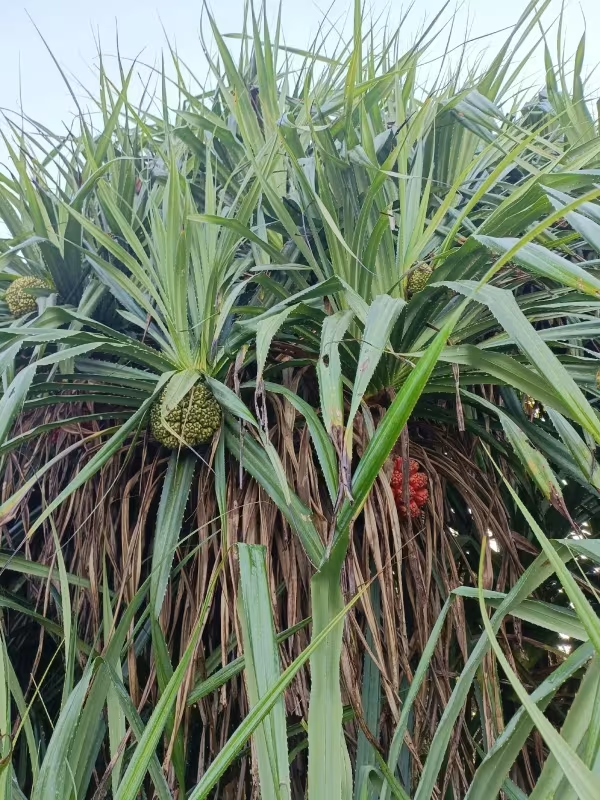
Description
Growing requirements
Pandanus odorifer is a member of the Pandanaceae family. This evergreen tropical plant is widely recognized for its fragrant flowers and is of significant economic value in various Asian cultures.
The species is native to tropical coastal areas of India, Southeast Asia, and the Pacific islands. It naturally thrives in humid tropical climates characterized by high rainfall and warm temperatures throughout the year.
Ideal cultivation temperatures range from 22°C to 30°C. The plant is highly sensitive to frost and cool weather, requiring stable tropical or subtropical environmental conditions to prosper.
It prefers well-drained, nutrient-rich, and slightly sandy soils. The ability of the plant to adapt to salt-sprayed coastal regions makes it a unique candidate for specific agro-ecosystems where other crops might fail.
Sunlight is critical for the production of aromatic secondary metabolites. While the plant can tolerate partial shade in its juvenile stage, mature specimens require full sun to reach maximum productivity.
Main diseases and pests
The main threats to Pandanus odorifer involve fungal pathogens that thrive in high humidity. Leaf spot diseases are common, especially when planting density is too high.
Pests include common tropical sap-suckers like mealybugs and scale insects. These pests can cause chlorosis and stunted development in younger plants, reducing overall yield quality.
Cultural control is the preferred method for disease management, focusing on proper spacing, sanitation, and avoiding overhead irrigation during periods of high humidity.
Soil-borne pathogens may cause root rot if drainage is insufficient. Ensuring that the planting site has excellent water management is a primary agronomic priority.
Regular field scouting is necessary to identify early signs of infestation. Integrated Pest Management (IPM) strategies, including the use of biological controls, are effective in maintaining healthy plantations.
Harvesting
The most important economic product is the male inflorescence, which is distilled to produce the highly sought-after kewda (or keora) essence. This industry is especially prominent in parts of India.
Leaves are harvested for both culinary flavoring and weaving, as they are fibrous and durable. Harvesting is typically done by hand, using protective gear to handle the spiny leaf margins safely.
The fruit of the plant is also edible and can be consumed raw or cooked, depending on the variety. However, it is generally secondary in economic importance to the flowers.
Harvest timing is essential; for the essential oil industry, flowers must be harvested at the peak of their fragrance, often very early in the morning before the heat dissipates the oils.
Post-harvest handling focuses on maintaining the integrity of the plant material. Because of the high volatility of the fragrance components, immediate distillation or processing is standard practice.