
Pandanus multispicatus
Pandanus multispicatus
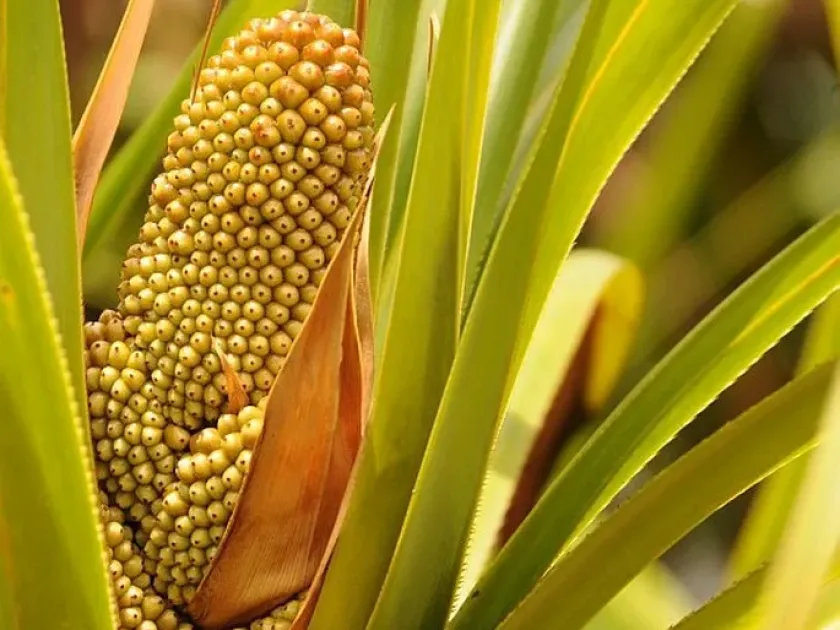
Description
Growing requirements
Pandanus multispicatus is a notable species within the Pandanaceae family, characterized by its distinct architectural form and extensive prop roots. These aerial structures are essential for stability, allowing the plant to thrive in unstable or sandy coastal substrates.
The crop originates from tropical environments, requiring consistently warm temperatures and high humidity to support its biological processes. It is highly adapted to maritime climates, demonstrating significant resilience to salt spray and saline soil conditions.
Regarding soil requirements, the plant prefers well-drained, nutrient-rich soils that prevent waterlogging. While it can tolerate various substrates, the most vigorous growth is observed in locations with adequate organic matter and efficient drainage systems.
Agricultural management requires high light intensity for optimal plant development. Shading, while sometimes beneficial during the juvenile stages, can inhibit the production of robust leaves, which are the primary economic component of the crop.
Standard agrotechnical practices focus on weed control during the establishment phase and regular mulching. As a perennial crop, Pandanus multispicatus does not require annual replanting, making it a sustainable choice for tropical agroforestry systems.
Main diseases and pests
The most common disease threats include leaf spot fungi, which often proliferate in areas with poor airflow and high humidity. These infections can degrade the quality of the fibers, rendering them unsuitable for commercial applications.
Pest management should prioritize the monitoring of scale insects and mealybugs. If left unchecked, these pests can sap the vigor of the plant, leading to stunted leaf growth and overall reduction in harvest yield and quality.
Harvesting
The economic value of this species is largely attributed to its fibrous leaves, which are harvested for weaving purposes. These fibers are recognized for their tensile strength, making them suitable for producing mats, baskets, and traditional roof coverings.
Harvesting is typically performed on a rotational basis to ensure continuous leaf production without exhausting the plant's resources. Skilled harvesters selectively remove mature leaves, ensuring that the central growth apex remains undamaged.