
Mountain pandanus
Pandanus montanus
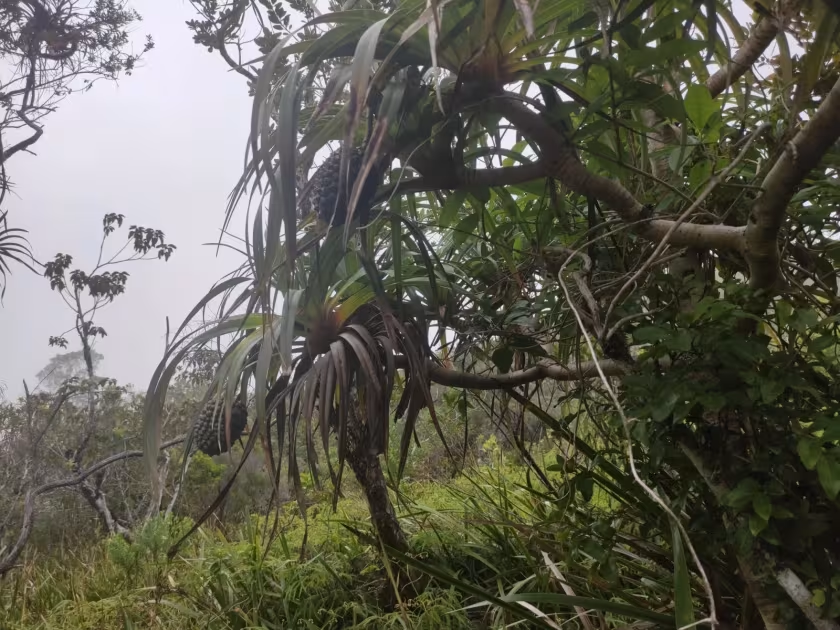
Description
Sowing dates
Propagation of Pandanus montanus in agricultural or ornamental settings is primarily achieved through vegetative methods, such as utilizing side suckers or cuttings. Seed-based propagation is more complex due to extended germination periods and specific environmental requirements.
The optimal time for planting cuttings is during the active growth phase when soil temperatures consistently range between 22 and 24 degrees Celsius. Maintaining high substrate humidity is crucial for successful root development.
When using seeds, planting should be done in loose, nutrient-rich substrate fortified with perlite. Containers should be kept in greenhouses with a stable microclimate, free from sudden fluctuations in temperature or humidity.
Young plants require supplemental lighting during the first few months to accelerate root system formation. Agronomists recommend a minimum spacing of 2 to 3 meters between individual plants, given the wide, spreading nature of the mature canopy.
Outdoor cultivation is limited to tropical regions where frost risk is non-existent. In other climates, the crop requires permanent greenhouse conditions to ensure continuous growth throughout the year.
Growing requirements
Pandanus montanus belongs to the Pandanaceae family and is native to tropical mountain forests. The crop thrives in well-drained but moisture-retentive soils, ideally with a neutral to slightly acidic pH balance.
The plant is highly sensitive to light exposure. To maximize biomass accumulation and leaf structure, it requires bright, indirect light, as direct midday exposure can lead to leaf scorching and tissue damage.
The ideal temperature range for vegetative growth is 20 to 28 degrees Celsius. Maintaining high relative humidity (around 70 to 80 percent) is an essential agronomic requirement for healthy plant functioning.
The root system requires consistent oxygen availability. Soil compaction significantly inhibits growth; therefore, regular cultivation and the presence of a high-quality drainage layer are mandatory for success.
While the plant shows tolerance to brief dry spells due to its specialized leaf anatomy, regular irrigation is necessary to maintain overall plant productivity and ensure high-quality fiber yield.
Yield
The economic value of Pandanus montanus is largely derived from the high-quality, durable fiber extracted from its leaves. Yield performance depends heavily on consistent lighting and proper mineral nutrition.
Biomass production is enhanced by applying complex fertilizers with high nitrogen content during the growth season. Harvesting leaves for industrial use typically begins 3 to 4 years after initial planting.
The fiber extracted from the leaves is known for its high tensile strength and resistance to decay, making it a valuable material for textile production, weaving, and sustainable packaging solutions.
In natural habitats, the plant forms dense thickets, acting as a renewable source of raw material. With proper management, systematic harvesting of mature leaves is possible without compromising the plant's health.
Beyond fiber, the plant holds minor food value in some regions where young shoots and fruits are occasionally consumed, though the leaf fiber remains the primary driver of agricultural interest.
Main diseases and pests
Fungal infections, often triggered by waterlogged soil conditions, represent the most significant threat to the crop. Root rot can lead to rapid decline if proper drainage is not maintained.
Pests such as spider mites and scale insects are common adversaries that damage leaf tissues. Management strategies include the regular application of appropriate insecticides and maintaining high sanitary standards within the field.
Mealybugs can also reduce both the ornamental value and the mechanical quality of the fiber. Timely removal of affected plant parts and targeted chemical treatments are essential for pest containment.
Temperature fluctuations and nutrient imbalances may cause leaf chlorosis, a metabolic condition that signals stress. Adjustments to soil composition and irrigation frequency are necessary to rectify such issues.
Effective disease prevention centers on ensuring adequate air circulation around the plants. Avoiding overcrowding is essential to prevent the rapid spread of fungal spores and infestation by insect pests.
Harvesting
Harvesting the leaves is performed manually using sharp cutting tools to prevent fiber splitting or fraying. Only fully mature, well-developed leaves located toward the base of the plant should be selected for processing.
Following harvest, the leaf material undergoes primary processing, including the removal of thorny margins and subsequent drying. Proper drying is a critical step to ensure the longevity and quality of the fiber.
The dry season is considered the ideal time for harvesting, as lower atmospheric moisture simplifies the drying process and significantly reduces the risk of mold growth during storage.
Material sorting is conducted based on fiber length and leaf rigidity, which dictates the intended industrial use. High-quality raw material should be flexible yet strong enough to withstand high tension.
Stored raw material should be kept in well-ventilated areas with low humidity. Protecting the harvest from direct sunlight is crucial to preserve the natural color and mechanical properties of the extracted fibers.