
Pandanus kaida
Pandanus kaida
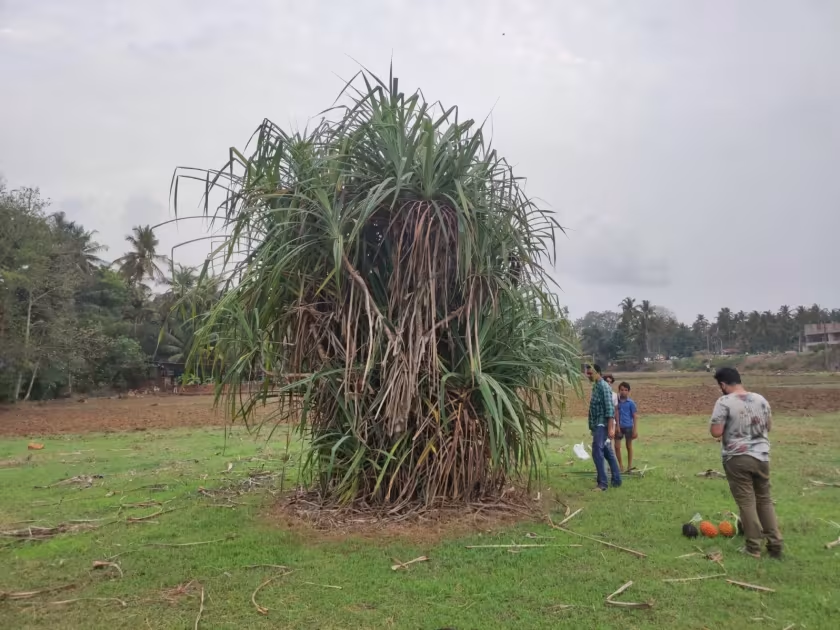
Description
Growing requirements
Pandanus kaida (family Pandanaceae) is a perennial, evergreen shrub or small tree native to tropical regions of India and Southeast Asia. It is widely recognized for its robust, stilt-like adventitious roots that provide structural stability in loose or marshy soils, allowing the plant to thrive in coastal or riparian environments.
The plant thrives in a strictly tropical climate with consistent temperatures ranging from 22°C to 30°C. It is highly sensitive to frost and cool temperatures, which limits its commercial cultivation to frost-free zones. High humidity levels are essential throughout the year to maintain the vigor and fiber quality of the foliage.
Regarding edaphic requirements, Pandanus kaida prefers well-drained, nutrient-rich soils with a neutral pH. While it tolerates a variety of soil types, waterlogged conditions should be avoided to prevent root rot. Proper site selection includes areas with adequate natural drainage or the installation of supplemental drainage systems.
Economically, the species is primarily valued for its long, sword-shaped leaves, which are rich in durable, flexible fibers. These fibers are traditionally used by local communities to produce high-quality woven mats, baskets, hats, and other handicraft items known for their long-term resistance to environmental stress.
The agronomic management of this culture focuses on maximizing leaf yield through periodic pruning and moderate fertilization. Regular maintenance, including the removal of dead lower leaves, improves air circulation within the plant canopy and helps maintain overall plant health, ensuring a sustainable supply of raw material.
Main diseases and pests
The most significant threats to Pandanus kaida include fungal infections such as leaf spot and basal rot, which are often exacerbated by poor drainage and inadequate airflow. These pathogens can weaken the plant and severely reduce the quality of the harvested fiber.
Insects, particularly spider mites and scale insects, often infest the succulent bases of young leaves. Effective management strategies involve monitoring for early signs of infestation and maintaining optimal growing conditions to boost the plant's natural resistance, minimizing the need for chemical intervention.