
Adder's-tongue fern
Ophioglossum vulgatum
Description
Growing requirements
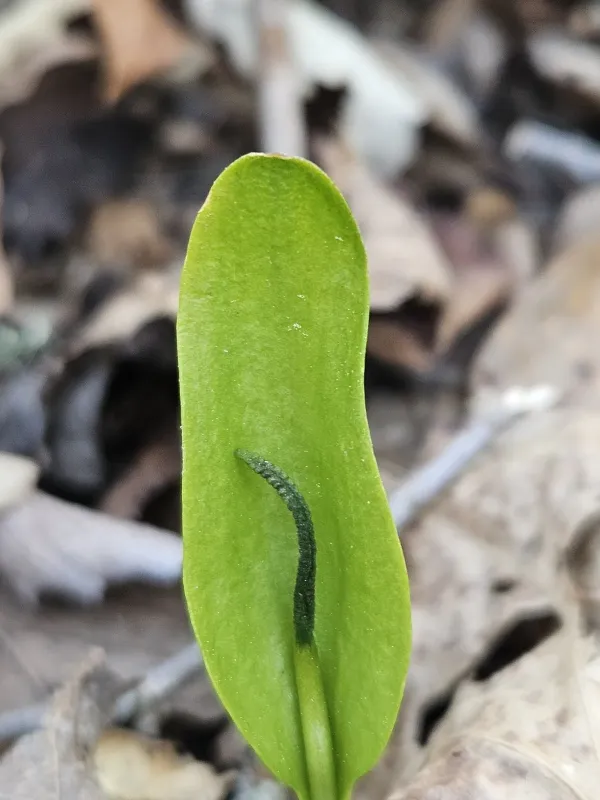
Adder's-tongue fern (Ophioglossum vulgatum) is a perennial fern belonging to the Ophioglossaceae family. Unlike typical ferns, this species is characterized by a unique morphology featuring a single leaf divided into a sterile photosynthetic blade and a fertile, spike-like frond.
The plant is native to the temperate regions of the Northern Hemisphere, widely distributed across Europe, parts of Asia, and North America. It predominantly inhabits moist meadows, damp forest clearings, and the fringes of marshes where the moisture level remains consistently high.
Successful growth requires specific environmental conditions. The species prefers loose, humus-rich, slightly acidic to neutral soils that retain moisture throughout the season but avoid waterlogging. Proper soil aeration is crucial for the survival of its underground rhizomes.
Regarding agrotechnical practices, the plant is difficult to cultivate on a large scale due to its slow developmental rate. It relies on a symbiotic relationship with specific soil fungi, which makes it highly sensitive to soil disturbance, compaction, and the application of chemical fertilizers.
Economically, Ophioglossum vulgatum is not a standard agricultural crop. Its value remains primarily in the pharmaceutical sector and ethnobotany, where its extracts have been utilized in traditional medicine for wound healing and dermatological treatments.
Main diseases and pests
The primary threat to the adder's-tongue fern is the modification of landscapes. Large-scale land drainage, urbanization, and intensive farming practices drastically reduce the specific humid microhabitats that the plant requires to sustain its life cycle.
Agricultural pests are generally not an issue for this species, but it is extremely susceptible to competition from aggressive weeds and grasses. Because the fern grows very slowly, it is easily outcompeted if the vegetation cover becomes too dense or is poorly managed.
The use of broad-spectrum herbicides in surrounding agricultural areas is catastrophic for this plant. As a non-target species, it lacks the mechanisms to recover from exposure to chemical weed control, often leading to localized extinction.
Soil pathogen issues, including rhizome rot, are common when soil conditions deviate from the ideal. Excessively heavy or poorly drained soils promote fungal colonization that can destroy the delicate root system of the fern within a single season.
Climatic stressors represent a rising risk. Increasing frequency of summer heatwaves and drought periods prevents the plant from producing viable spores, effectively halting the natural regeneration of the population over the long term.