
Azorean adderstongue
Ophioglossum azoricum
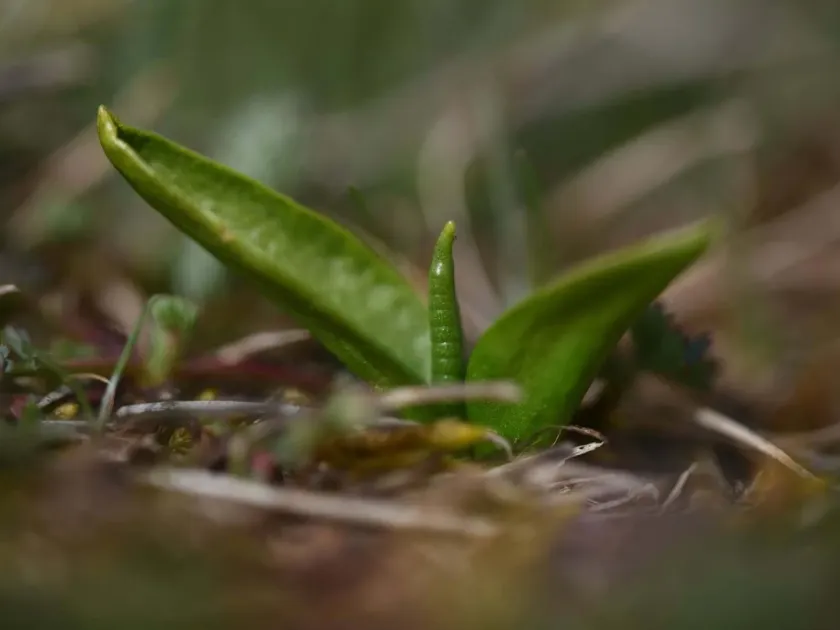
Description
Growing requirements
The Azorean adderstongue (Ophioglossum azoricum) is a small perennial fern belonging to the Ophioglossaceae family. Unlike conventional crops, it is not cultivated for agricultural production due to its extreme rarity and specialized ecological needs.
The plant originates from the Atlantic islands and coastal regions of Europe. It typically inhabits damp, open grasslands or sandy heaths where competition from taller vegetation is limited by environmental factors.
Regarding climate, it requires a mild, humid atmosphere and sufficient soil moisture throughout the growing season. The species is highly sensitive to changes in soil pH and requires specific microbial symbionts to thrive.
Botanically, it is defined by a single leaf divided into a sterile blade and a fertile spike. Its underground storage organs, which are fleshy roots, allow the plant to survive during unfavorable weather periods.
The agricultural usage of Ophioglossum azoricum is non-existent. It is strictly a subject of botanical study and environmental monitoring, as it serves as a bioindicator for the health of specific undisturbed ecosystems.
Main diseases and pests
The primary threat to the Azorean adderstongue is habitat loss caused by land-use changes. Agriculture intensification, including plowing and excessive fertilization, frequently destroys its natural sites and disrupts the soil structure it relies on.
Invasive plant species pose a significant risk, as they quickly outcompete the slow-growing adderstongue for sunlight and soil nutrients. Once the natural balance of a meadow is disrupted, the species often disappears within a few seasons.
Pathogens and fungi are naturally present in the environment but become a problem when soil drainage is poor. Since there is no commercial cultivation, pest management protocols for this species do not exist.
Overgrazing by livestock can lead to soil compaction, which kills the delicate underground structures of the fern. This represents a direct threat to the longevity of the local populations in traditional farming areas.
Climatic instability, specifically rising temperatures and unpredictable rainfall, hinders the sexual reproduction cycle of the plant. Without the proper conditions for spore germination, the population cannot replenish itself, making it critically vulnerable.