
Adder's-tongue fern
Ophioglossum coriaceum
Description
Sowing dates
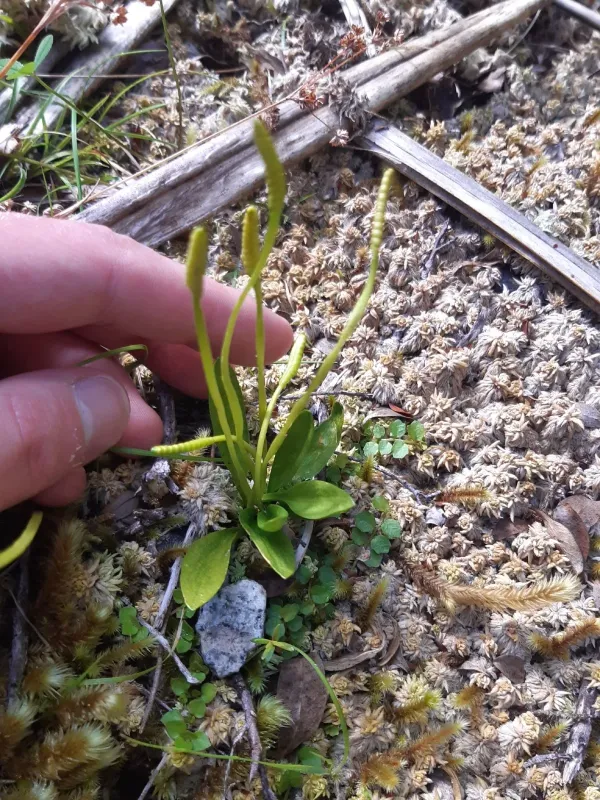
Adder's-tongue fern (Ophioglossum coriaceum) is a unique perennial member of the Ophioglossaceae family. Unlike common ferns, it has a distinct morphology with a single, undivided leaf blade.
Propagation is primarily vegetative. Division of the rhizomes is the most reliable method, as spore germination in cultivation is highly dependent on specific mycorrhizal fungi in the soil.
The best time to plant or divide these ferns is during the early spring. This allows the root system to establish before the peak of the growing season.
When planting, ensure the rhizomes are placed shallowly in the soil. Proper spacing is necessary to prevent competition for nutrients and to allow sufficient light penetration.
For research and conservation purposes, laboratory-based spore propagation is used, involving sterile culture techniques and the introduction of fungal symbionts.
Growing requirements
This species thrives in damp, shady environments. High humidity is a critical factor for the healthy development of its foliage and reproductive structures.
Soil quality must be high, with an emphasis on organic matter content. A mix of peat, sand, and forest soil provides the best balance of aeration and moisture retention.
Temperature management is key to successful growth. The plant prefers mild temperatures and should be protected from harsh, direct sunlight and freezing winter conditions.
Irrigation should be consistent. The soil should be kept moist but never waterlogged, as poor drainage is the quickest way to kill the root system of this fern.
Regular monitoring of environmental parameters like humidity levels and light intensity is recommended to ensure the plant remains in a vegetative state of health.
Main diseases and pests
Root rot caused by Phytophthora or Pythium species is the most common threat. These pathogens proliferate in poorly drained soils and stagnant water conditions.
Gastropods such as slugs and snails are significant pests. They feed on the succulent fronds and can severely damage the plant's ability to photosynthesize.
Soil-dwelling larvae can attack the rhizomes, leading to sudden decline. Using clean, sterilized soil components is a vital preventive measure in cultivation.
Fungal leaf spots can occur if air circulation is insufficient. Thinning out plants and removing debris around the base helps mitigate these risks.
Environmental stress, particularly sudden dry spells, can cause the plant to enter premature dormancy, making it susceptible to secondary environmental pathogens.