
Ophioglossum pendulum
Ophioglossum pendulum
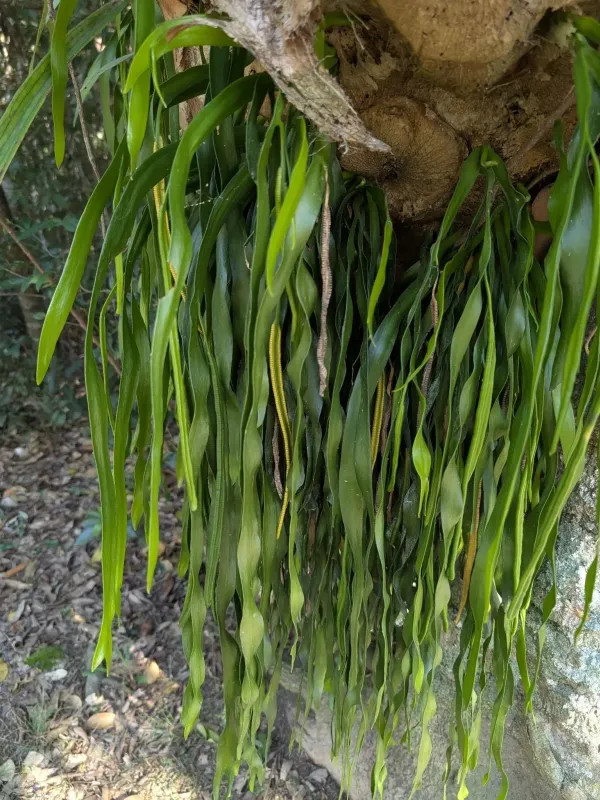
Description
Growing requirements
Ophioglossum pendulum is a fascinating epiphytic fern belonging to the Ophioglossaceae family. In its native habitat, it grows on tree trunks, developing long, pendulous fronds that are highly characteristic of this specific species.
Cultivation of this plant requires a humid tropical environment. Maintaining humidity levels above 70% is essential for the healthy growth of the fronds and the development of the root system, which acts as a gathering point for moisture.
Light requirements are strict: the plant needs bright, filtered indirect light. Excessive sunlight can damage the delicate green tissue, while insufficient light leads to stunted growth and loss of the plant's natural vitality.
The substrate must mimic the tree bark environment. A mixture of long-fibered sphagnum moss and coarse orchid bark is ideal. This combination provides the necessary moisture retention while allowing sufficient airflow to the rhizome.
Temperature stability is vital for this fern. It thrives in conditions between 22 and 27 degrees Celsius. Any significant drop in temperature or exposure to cold drafts can cause physiological stress and leaf drop.
Main diseases and pests
Common pests affecting this species include spider mites and scale insects, which often appear when the air is too dry. Regular inspection of the underside of the fronds is recommended for early detection.
Root rot is the most common disease, often caused by stagnant water in the root zone. Ensuring a free-draining substrate and avoiding over-watering are key preventive measures against fungal infections.
Proper ventilation is crucial to discourage mold growth on the substrate surface. Stagnant air in enclosed spaces often leads to decay, particularly if humidity levels are excessively high without airflow.
Care should be taken when applying fertilizers, as epiphytes are sensitive to high concentrations of mineral salts. Diluted organic foliar feeding is often preferred to maintain healthy frond color and growth rates.
Maintaining a balanced environment through sanitation and controlled microclimate management is the most effective way to protect the plant from threats. Healthy specimens generally exhibit strong resistance to minor pest infestations.