
Ophioglossum thermale
Ophioglossum thermale
Description
Growing requirements
Ophioglossum thermale is a unique perennial species belonging to the Ophioglossaceae family. This miniature fern is scientifically recognized for its strict adaptation to specific geothermal habitats where the soil is warmed by natural thermal springs.
The plant grows in areas characterized by high soil moisture and stable temperatures provided by underground volcanic or geothermal activity. These extreme conditions create a niche that excludes most competitive plant species, allowing the fern to thrive.
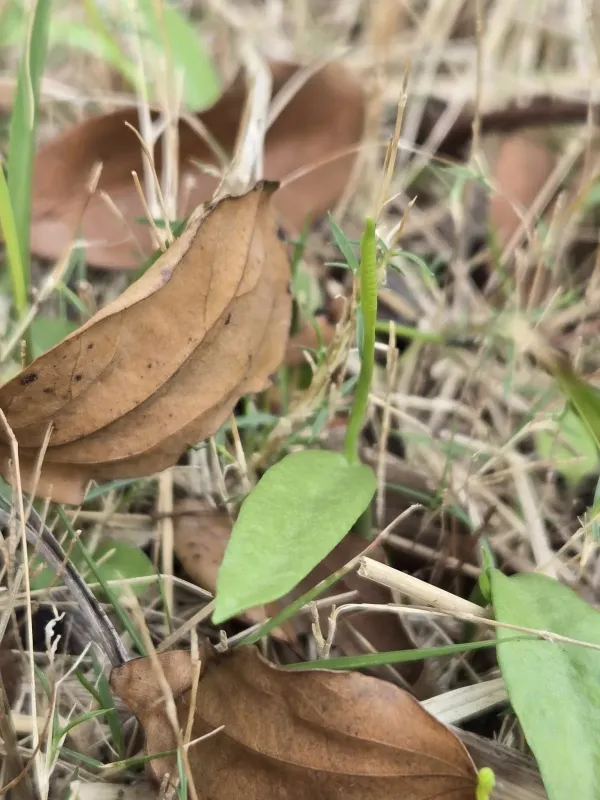
Botany of the species is quite distinctive: it consists of a simple, undivided vegetative leaf blade and a separate fertile spike that produces spores. The root system is relatively fleshy, which helps the plant maintain water storage in a volatile environment.
In terms of growth requirements, it demands consistently high humidity and a lack of soil freezing throughout the year. It does not possess the broad adaptation traits required for agricultural cultivation and is therefore never used as a crop.
Due to its rarity and specific ecological requirements, Ophioglossum thermale is classified as a sensitive species. Its survival is completely dependent on the preservation of the delicate microclimate around thermal springs.
Main diseases and pests
The primary threats to Ophioglossum thermale involve the destruction of its sensitive habitats. Human activities such as industrial exploration, infrastructure development, or the alteration of thermal water paths directly impact its viability.
While it faces little threat from traditional agricultural pests, the species is highly vulnerable to ecological shifts. Encroachment by invasive, fast-growing vegetation can quickly shade out the small fern, limiting its photosynthetic capacity.
Genetic isolation is a significant risk for the species. Because populations are often confined to small, fragmented geothermal spots, the lack of gene flow between clusters makes them highly susceptible to local environmental stochasticity.
Climate change poses a long-term threat to the stability of geothermal areas. Variations in the source heat of the springs can interrupt the lifecycle of the fern, leading to failure in spore production and recruitment of new individuals.
Protection efforts are focused entirely on habitat conservation. Because the plant is so specialized, any attempt to cultivate it outside of its native geothermal range requires sophisticated environmental controls that are not economically feasible.