
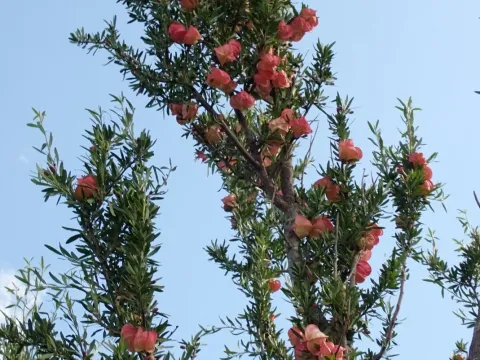
Nymania
Nymania
Propagation of Nymania (Nymania capensis) is primarily achieved through seeds under controlled environmental conditions. Spring is the most favourable season for sowing to align with the increasing daylight hours.
What the section contains

Nymania
Seeds benefit from soaking in lukewarm water to soften the outer coat, which significantly improves germination rates. The sowing medium must be highly porous, containing a mix of sand and sterile potting soil.
The temperature for successful germination should be maintained consistently between 20 and 25 degrees Celsius. It is crucial to monitor the moisture level, as saturated soil can quickly lead to seed rot before sprouting.
Once seedlings have developed their second set of true leaves, they should be carefully transplanted into individual pots. Using well-draining containers is essential to prevent future moisture-related issues as the plant matures.
Nymania is a slow-growing species, requiring patience and stable environmental care. Providing adequate light and space is key to developing a strong and healthy root system during the initial growth stages.
Nymania belongs to the Meliaceae family and is native to the arid regions of Southern Africa. This plant is a true xerophyte, evolved to survive in environments characterized by severe water scarcity and high solar radiation.
The species requires full sun exposure to maintain its compact, attractive structure. Lack of direct sunlight leads to etiolation, where branches become weak and the plant loses its natural aesthetic appeal.
The soil profile for this crop must be extremely well-draining, mimicking the stony and sandy soils of its native habitat. Avoid using heavy, moisture-retentive organic composts that can compromise root health.
Watering practices should mimic natural rainfall patterns: provide moderate moisture during the active growing season, but allow the medium to dry out completely between waterings to prevent root asphyxiation.
The plant is not frost-tolerant and must be grown in a greenhouse or conservatory in non-native climates. During winter, the temperature should be kept cool, and irrigation should be significantly reduced to induce dormancy.
Nymania is generally robust, but it is susceptible to diseases resulting from improper cultivation practices. Root rot is the primary risk, often caused by waterlogging the root zone.
In indoor environments with poor airflow, the plant may become infested with spider mites or scale insects. These pests often exploit weakened specimens, sucking sap and causing yellowing or leaf drop.
Maintaining proper ventilation and appropriate humidity levels is the most effective way to prevent insect outbreaks. Regular inspection of the stem and leaves is recommended for early detection.
When chemical intervention is required, use targeted systemic insecticides. Always ensure that the treatment is applied to both sides of the foliage to eradicate hidden populations of parasites.
- Ensuring a grit-heavy soil mix to improve overall drainage
- Routine checks for mites during dry indoor seasons
- Controlled watering cycles to prevent fungal colonization