
Leplaea
Leplaea
The genus Leplaea belongs to the Meliaceae family, comprising several species of trees native to the tropical rainforests of Africa.
What the section contains

Leplaea
These plants require a humid tropical climate where temperatures remain stable and moisture levels stay consistently high throughout the entire year.
Optimal growth conditions involve deep, fertile, and well-draining soils that provide sufficient nutrients while preventing long-term waterlogging of the root zone.
As a forest-dwelling genus, Leplaea species perform best under partial shade or filtered light, which mimics their natural understory habitat.
Agrotechnical management requires consistent soil mulching to maintain the humidity levels and microbial activity essential for the health of these trees.
The primary economic value of Leplaea is derived from its high-quality timber, which is utilized in specialized carpentry and fine woodworking projects.
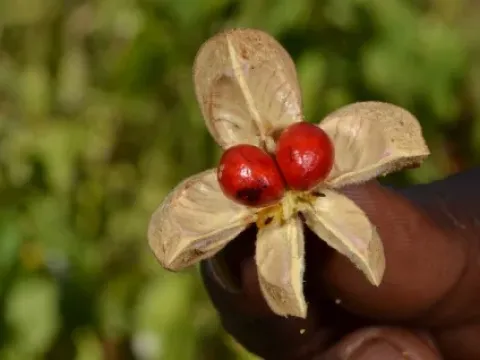
Harvesting of fruits or seeds is conducted manually by local farmers, ensuring the preservation of the plant's delicate structures for subsequent processing.
Timber extraction is usually managed through sustainable practices, balancing the demand for high-quality wood with the slow regeneration rates of the forest.
Post-harvest techniques for the timber include controlled air-drying to stabilize the moisture content and reduce the risk of structural warping during production.
Beyond timber, the plant exhibits potential in ethnobotanical studies, with various parts of the tree being researched for their unique biochemical properties.