
Myrcia zuzygium
Myrcia zuzygium
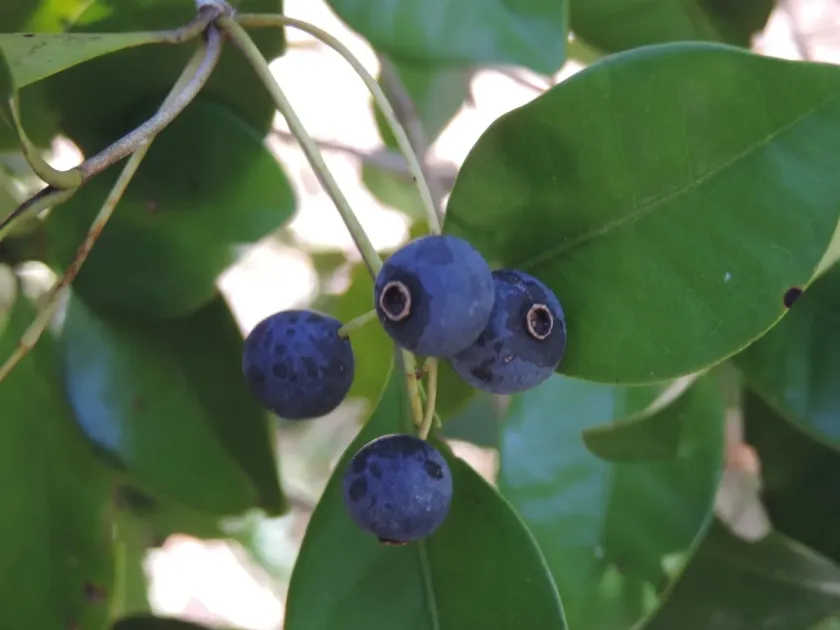
Description
Growing requirements
Myrcia zuzygium is a distinct perennial species belonging to the Myrtaceae family, recognized for its evergreen foliage and utility in tropical agroforestry systems.
The plant originates from the Caribbean region and parts of the Americas, thriving in climates where high temperatures and steady precipitation levels are maintained throughout the year.
Cultivation requires well-drained, nutrient-rich soils to prevent waterlogging, which is a common limiting factor for the development of the root system in this species.
Strategic management of light exposure is essential; while shade may be beneficial during the juvenile stage, mature specimens require significant direct sunlight for optimal growth and fruit production.
Economic importance of the species extends from its use as an ornamental hedge plant to the harvest of its edible fruits and medicinal leaves, making it a versatile crop in local systems.
Main diseases and pests
Fungal pathogens remain the primary biological threat to Myrcia zuzygium, particularly when humidity levels become excessive, leading to leaf spots and stem rot.
Pests such as scale insects and mealybugs often cluster on the undersides of leaves and at the nodes, depleting plant vigor and reducing the overall decorative and commercial value.
Integrated pest management strategies are recommended, focusing on maintaining tree health through regular pruning to improve air circulation and sunlight penetration.
The use of dormant oils or targeted biological controls can effectively reduce pest populations without damaging the delicate botanical structure of the plant.
Proactive monitoring of soil pH and nutrient levels is also vital, as imbalances can weaken the plant, making it significantly more susceptible to environmental stressors and secondary pest infestations.