
Myrcia lineata
Myrcia lineata
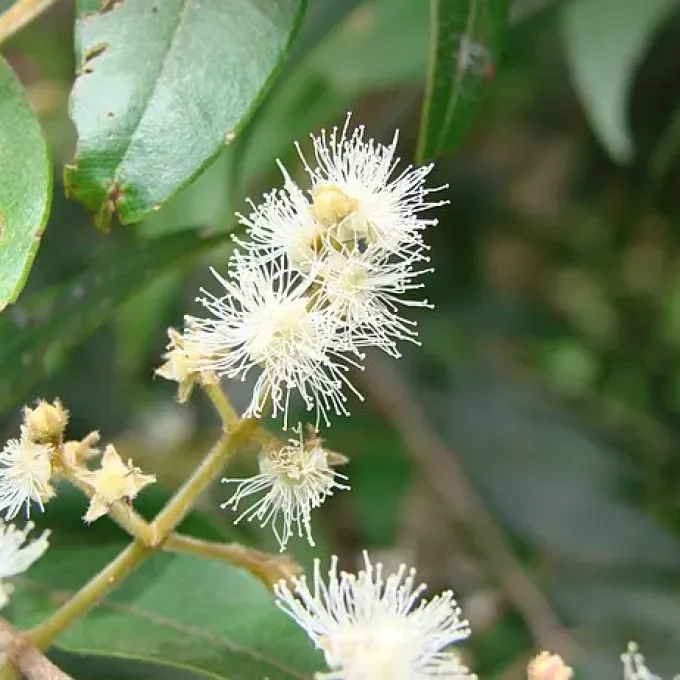
Description
Growing requirements
Myrcia lineata is a persistent evergreen shrub or small tree belonging to the Myrtaceae family. Known for its distinct botanical structure, this species is a significant component of tropical vegetation found primarily in South American ecosystems.
The plant originates from tropical regions where it thrives under high humidity and consistent warmth. Its natural habitat includes sheltered forest environments where the vegetation provides protection from extreme weather events and direct solar radiation.
Botanically, the plant is identified by its narrow, linear-shaped leaves, which are tough and leathery in texture. These leaves typically contain volatile oils, a common characteristic within the Myrtaceae family, which contribute to the plant's unique biological profile.
For cultivation, Myrcia lineata demands a climate that strictly avoids frost. It is best suited for controlled environments where ambient temperatures are kept between 18 and 25 degrees Celsius, ensuring active metabolic processes throughout the year.
Successful management requires a well-draining, slightly acidic substrate. It is essential to prevent waterlogging, as the root system is highly susceptible to hypoxia if the soil becomes compacted or remains saturated for extended periods of time.
Main diseases and pests
The primary threats to Myrcia lineata in managed agricultural settings include common greenhouse pests such as scale insects and mealybugs. These pests extract sap from the foliage, leading to chlorosis and general weakening of the plant.
Fungal pathogens represent another significant risk, particularly those that target the root system in poorly drained pots or beds. Root rot and damping-off can be fatal if the moisture levels are not strictly managed according to the plant's seasonal requirements.
Effective pest and disease management strategy relies on cultural practices such as spacing, proper ventilation, and early detection. Chemical interventions should be limited to specific periods and conducted under strict supervision to avoid leaf burn or toxicity.