
Myrcia loranthifolia
Myrcia loranthifolia
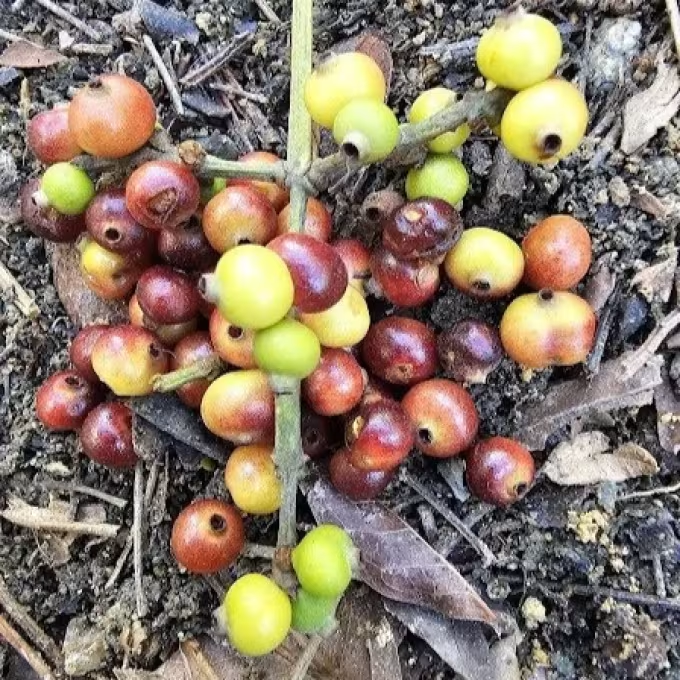
Description
Growing requirements
Myrcia loranthifolia is a notable species belonging to the Myrtaceae family, native to the tropical regions of South America. This evergreen shrub or small tree is adapted to high humidity environments where annual rainfall is consistent, making it a specialized plant for tropical forest ecosystems.
The biological success of this species depends heavily on climate stability. It is sensitive to temperature drops and requires a frost-free environment to maintain its metabolic functions. Even minor cold stress can severely damage its foliage and inhibit long-term plant development.
When cultivating Myrcia loranthifolia, soil aeration is paramount. The roots demand a loose, well-draining substrate that mimics the organic-rich composition of forest soils. Incorporating organic matter such as leaf compost is essential to sustain nutrient levels and preserve the acidic soil profile preferred by the plant.
In terms of light exposure, the plant behaves as a shade-tolerant species in its juvenile stages. Farmers or botanical collectors should provide diffuse light or filtered shade to protect the leaves from chlorosis and heat-induced desiccation common in open-field planting systems.
Economic and research interests in this species focus on its essential oil profiles and phytochemical properties. The plant is viewed as a genetic resource for sustainable agriculture, with potential applications in the development of bioactive compounds for traditional medicine and organic cosmetics.