
Myrcia neosuaveolens
Myrcia neosuaveolens
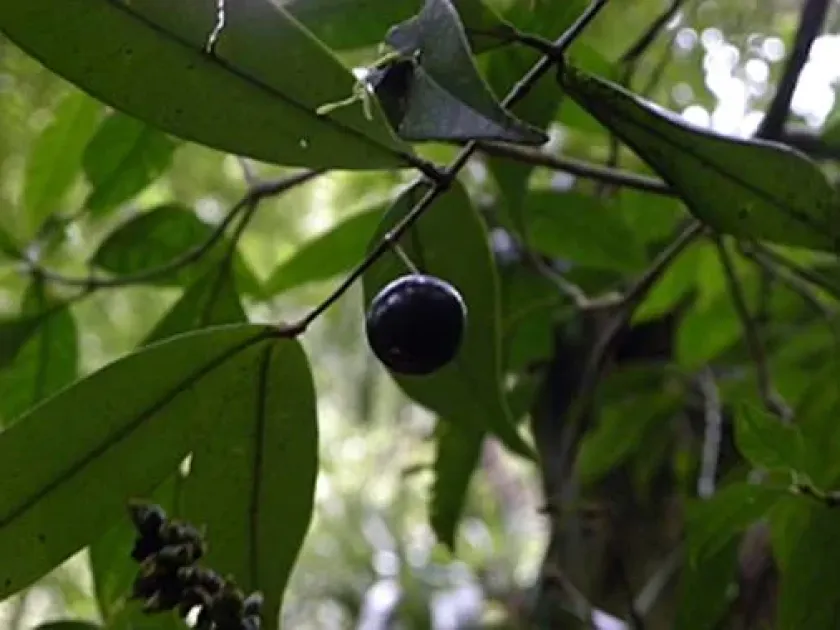
Description
Growing requirements
Myrcia neosuaveolens is a noteworthy member of the Myrtaceae family, native to the tropical forests of South America. As an evergreen species, it plays a vital role in local ecosystems and holds interest for botanical cultivation.
The plant thrives in humid tropical climates where rainfall is frequent and consistent throughout the year. It requires high humidity levels to maintain healthy physiological processes and prevent leaf desiccation in its native habitat.
Regarding soil, this culture prefers well-drained, nutrient-rich substrates. It is essential to avoid waterlogging, which poses a significant risk to the plant's root system, often leading to fungal infections and decline.
Light requirements for Myrcia neosuaveolens are moderate to high. While adult specimens can tolerate full sun, young plants benefit from partial shade to establish their root systems and develop a robust vegetative structure.
Agrotechnical management includes regular monitoring of soil fertility. Since the plant is sensitive to environmental stress, maintaining a stable microclimate is crucial for successful development in both plantation and greenhouse settings.
Yield
The economic potential of Myrcia neosuaveolens lies in its fruit, which is highly appreciated for its unique aroma and taste. It represents a niche crop that contributes to the diversity of locally consumed tropical fruits.
Yield capacity is influenced by environmental stability and genetic factors. In managed agricultural conditions, consistent irrigation and proper plant spacing significantly optimize the reproductive output of the trees.
Secondary uses include the extraction of aromatic oils from the foliage, which are investigated for their antimicrobial and antioxidant properties. This adds value to the crop beyond simple fruit production, supporting its medicinal use.
Harvesting is a manual process requiring careful handling to prevent damage to the delicate fruits. Post-harvest, the fruits are typically used for local consumption, though there is potential for commercial processing into juices or extracts.
Future agricultural efforts are aimed at breeding varieties with higher fruit set and increased resilience to common pests. Integrating sustainable farming practices, such as organic soil enrichment, remains the standard approach for this culture.