
Myrcia palustris
Myrcia palustris
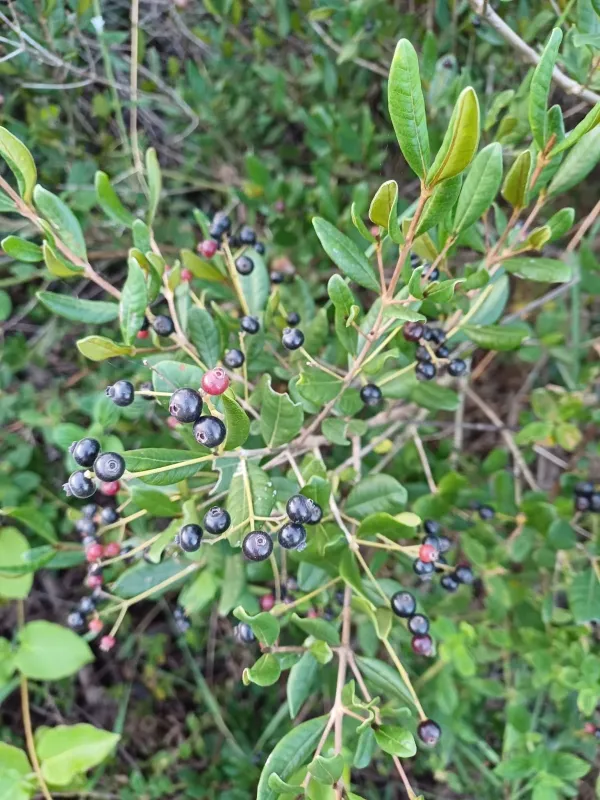
Description
Growing requirements
Myrcia palustris is a tropical evergreen shrub belonging to the Myrtaceae family, known for its adaptability to high-moisture environments. Originating from South America, this species thrives in wetland regions and marshy habitats.
The climate requirements for this culture are strictly tropical, demanding high humidity and warm temperatures year-round. Exposure to frost or severe cold can cause irreversible damage to the plant's vascular tissue.
Soil management for Myrcia palustris focuses on maintaining consistent moisture levels while ensuring that the root zone receives sufficient oxygen. A nutrient-rich, acidic soil substrate is preferred for optimal growth.
The plant demonstrates a unique physiological ability to survive in partially waterlogged soils, which is a characteristic feature of its native ecological niche.
In a controlled agricultural setting, providing partial shade is beneficial for young plants to protect them from intense solar radiation and excessive transpiration during peak daylight hours.
Harvesting
The economic value of Myrcia palustris is largely centered on the harvesting of its small, aromatic fruits, which are highly regarded for their potential in local food production.
Harvesting is labor-intensive as it involves selective hand-picking of individual fruits that reach maturity at different intervals during the growing season.
Post-harvest handling is critical due to the fragile nature of the fruit; proper cooling and immediate processing are required to maintain product quality for market.
Processed products typically include artisanal jams, beverages, and flavorings that leverage the unique terpene profile of the fruit, common to many members of the Myrtaceae family.
In addition to the fruit, the foliage and secondary metabolites found within the plant have potential applications in the cosmetic and medicinal industries, owing to the presence of volatile essential oils.