
Myrcia chytraculia
Myrcia chytraculia
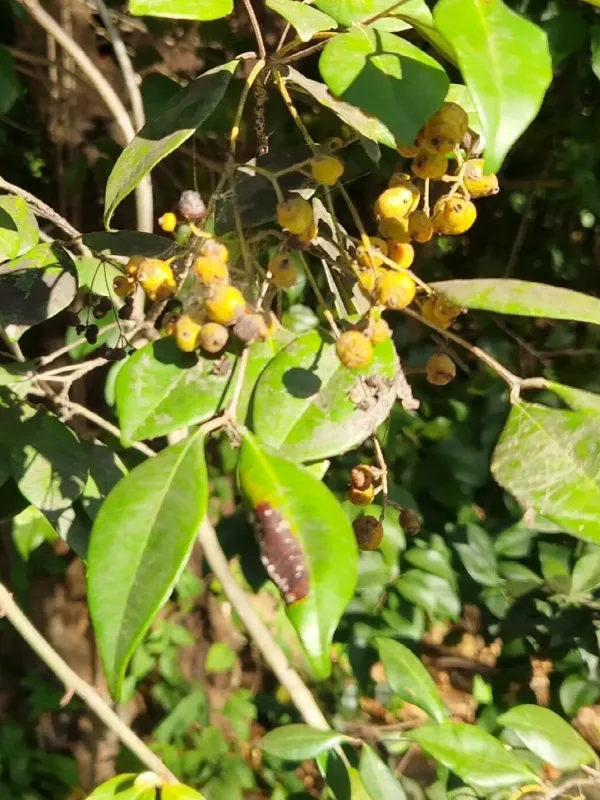
Description
Growing requirements
Myrcia chytraculia is a distinguished evergreen woody plant belonging to the Myrtaceae family. Native to the Caribbean islands and parts of Central America, this species thrives in humid tropical environments, often forming part of the dense understory in local ecosystems.
The plant requires a strictly tropical climate with consistent temperatures and high levels of atmospheric humidity. Any exposure to cold or frost is detrimental, making it suitable for cultivation primarily within its natural range or in specialized controlled environments like greenhouses.
Soil requirements for Myrcia chytraculia include well-draining, nutrient-rich substrates. The ideal pH range is slightly acidic to neutral, which mimics the natural conditions of the tropical forest floors where this species establishes its root systems efficiently.
Regarding light exposure, while it can adapt to partial shade in its juvenile stages, it requires substantial light levels to reach maturity and optimize its chemical profile. Proper spacing in plantations is essential to ensure adequate airflow and sunlight penetration for all specimens.
Agricultural management of this crop involves precision irrigation to maintain constant soil moisture without causing saturation. Nutrient management typically focuses on organic composts that support healthy soil biology and provide balanced macro and micro-nutrients.
Harvesting
The economic value of Myrcia chytraculia lies largely in its foliage, which is harvested for the production of essential oils. These oils are valued for their distinct chemical composition, which often includes various terpenes and aromatic compounds.
Harvesting is performed via selective pruning of mature branches, which encourages secondary growth and sustainable yield cycles. This approach ensures the longevity of the plant while maximizing the quality of the harvested green biomass.
Post-harvest processing involves air-drying the leaves in shaded, well-ventilated areas to prevent the degradation of heat-sensitive volatile oils. Proper moisture control during this stage is critical to maintain the integrity of the secondary metabolites.
The resulting products are utilized in the flavor and fragrance industry, as well as in local traditional medicine practices. The spicy and aromatic profile of the plant makes it a niche but valuable commodity in specific regional agricultural markets.
Future research and development efforts are directed toward identifying high-yield cultivars and refining extraction techniques. Enhancing the cultivation protocol will lead to more efficient production chains and sustainable use of this tropical resource.