
Myrcia xylopioides
Myrcia xylopioides
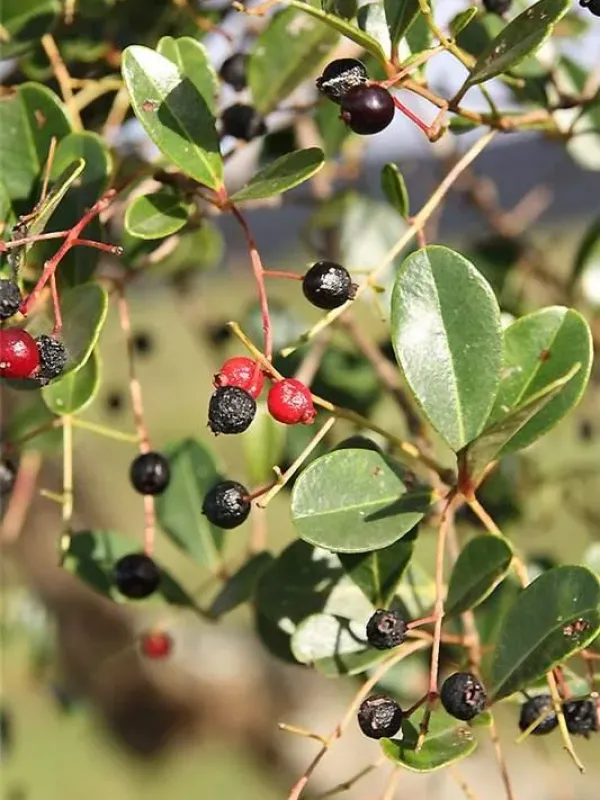
Description
Growing requirements
Myrcia xylopioides is a prominent species within the Myrtaceae family, native to the tropical forests of South America. As an evergreen woody plant, it plays a vital role in local ecology and regional silvicultural practices.
The cultivation of this species requires well-drained, nutrient-rich soils that support consistent growth. It thrives in high-humidity tropical climates where temperatures remain stable year-round, making it highly dependent on the microclimate of its environment.
Botanically, the plant is known for its resilient growth pattern and distinct morphological features typical of the Myrtaceae family. It is capable of developing significant canopy density, which contributes to its effectiveness in soil protection and forest restoration projects.
Regarding site management, Myrcia xylopioides prefers areas with ample sunlight but can tolerate moderate shade during its early stages. Effective land management practices involve ensuring adequate spacing between individual plants to prevent competition for nutrients and water.
The agricultural and economic utility of the species is focused primarily on sustainable timber production and its integration into agroforestry systems. It is highly valued for its wood quality and its ability to maintain structural integrity in diverse tropical environments.